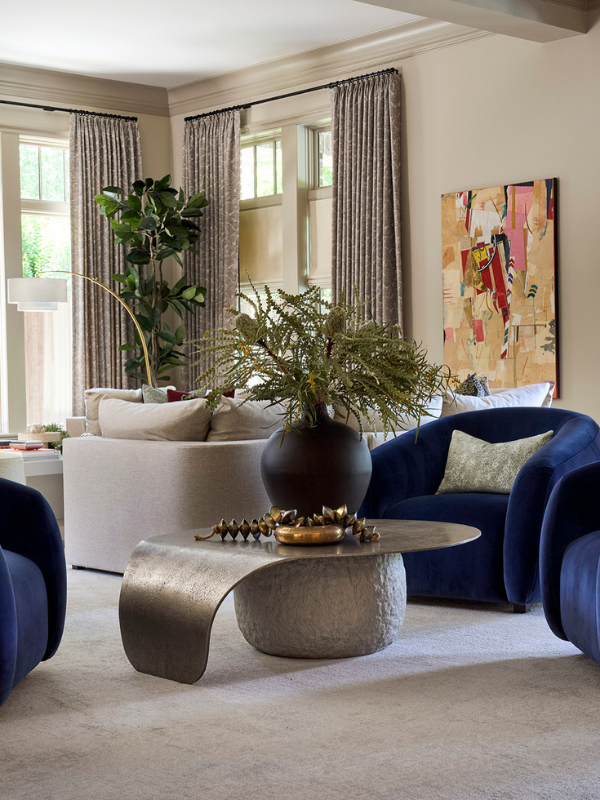
Selecting artwork for your home can be incredibly exciting, especially when you discover a painting, photograph, or sculptural piece you absolutely love. But determining the appropriate size for a particular wall can be a little tricky. A painting that seems enormous in a gallery might look surprisingly small above your sofa, while a smaller work on paper could be exactly what a narrow hallway or intimate seating area needs.
Of course, the dimensions of your wall are only part of a somewhat complex equation. Furniture, ceiling height, architectural details, framing, and lighting all influence how artwork looks and feels after it’s installed. We also have to consider whether the artwork is being selected for an existing interior or whether we’re designing the space around a client’s collection. Each situation will call for a slightly (and sometimes significantly) different approach.
Below, we share eight steps to help you select the right size art for your walls, with examples from the Laura U Design Collective archives.
8 Steps to Selecting the Right Size Art for Your Walls
#1 Measure Your Available Wall Space
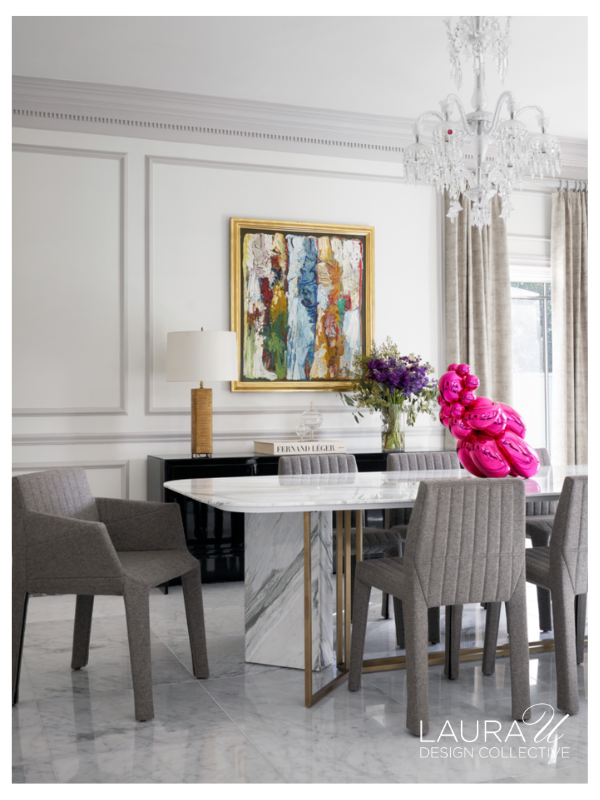
Before you look through your existing collection or head to a local gallery, measure the wall where you plan to display art. You’ll want to account for the total width and height, but also the usable area between windows, doors, molding, built-ins, and any other architectural features. A twelve-foot wall divided by two windows, for example, might only accommodate a painting that’s three or four feet wide.
We also consider how much space to leave open around the artwork. A painting installed between two windows doesn’t necessarily need to occupy every available inch, and the amount of surrounding wall can influence how we perceive its proportions. In a more traditional interior, existing paneling or millwork might establish the appropriate dimensions. In a contemporary home with uninterrupted walls, there could be much more flexibility.
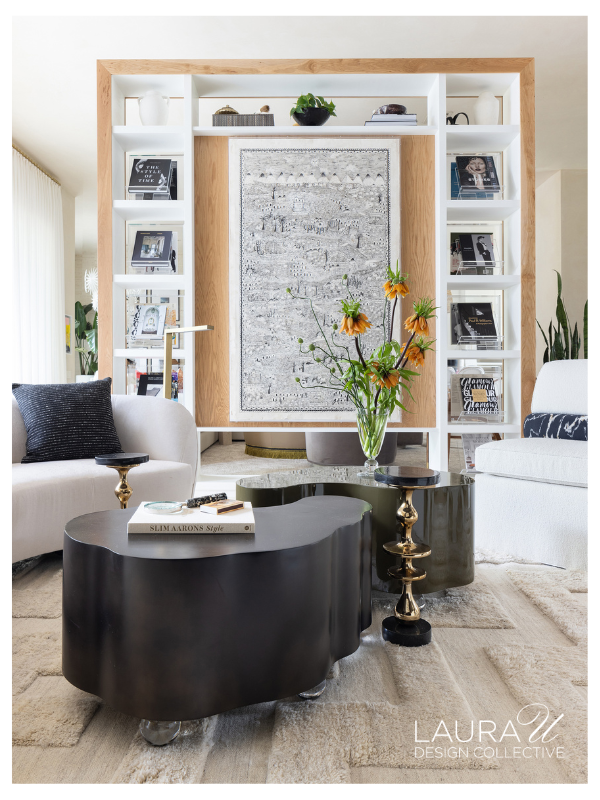
At our Sandalwood Contemporary project, the homeowners already owned a large work on paper that we incorporated into a custom oak divider. We had the artwork reframed before developing the surrounding millwork, so its finished dimensions helped determine the size of the central opening. This is an excellent example of why art should be considered early in the design process if you know you want to display certain pieces. Rather than searching for something to fit a predetermined opening, we designed the architectural feature around a piece the clients already loved.
#2 Consider the Scale of Your Furniture
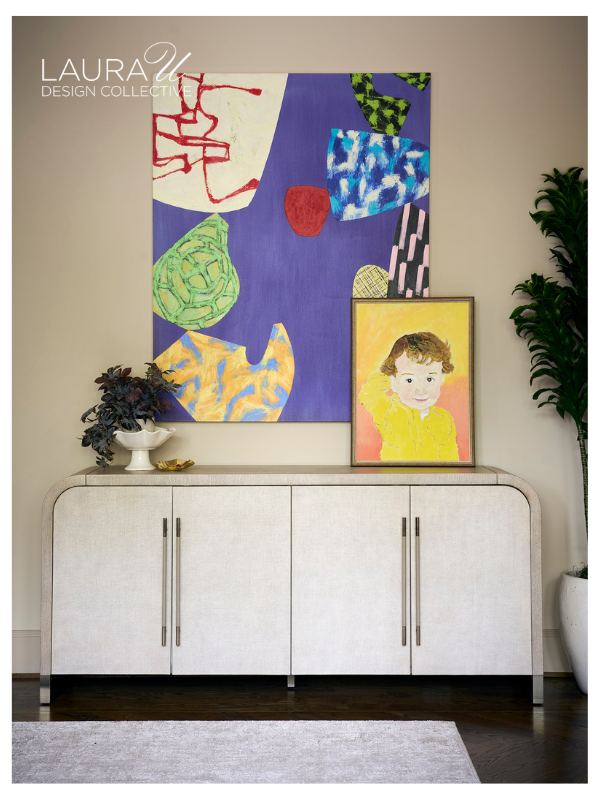
When artwork hangs above a sofa, bed, console, or buffet, the width of the furniture is an important reference point. In a November 2026 article for Southern Living, picture-hanging expert Lucie Voves recommends that artwork measure approximately two-thirds the width of the furniture beneath it. We might extend that to three-quarters in certain spaces, particularly when we’re working with a substantial sofa or a broad, uninterrupted wall.
For example, if your sofa is 96 inches wide, artwork measuring approximately 64 to 72 inches across could be a good starting point. That width could come from one large painting, a pair of framed works, or a grouping of smaller pieces. You don’t necessarily need a single artwork that’s six feet wide! The proportions of the entire composition are what we’re considering.
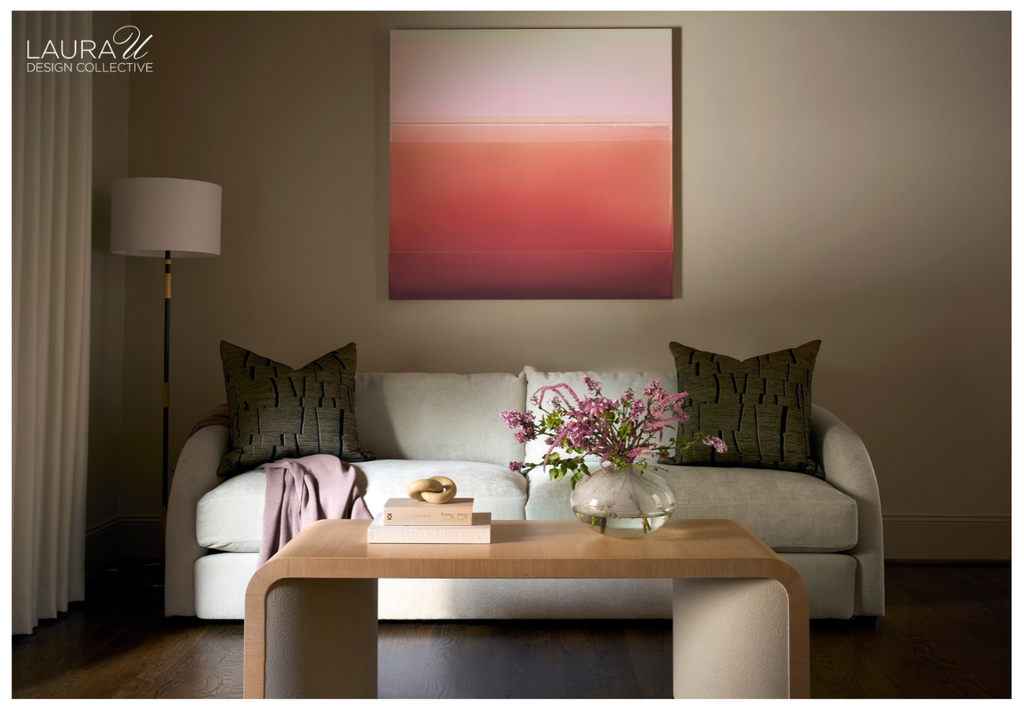
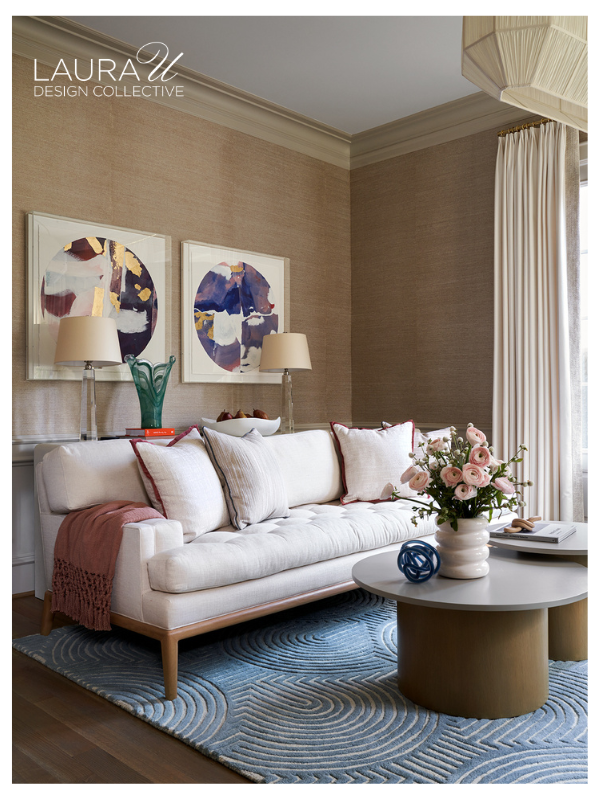
At Hunter’s Creek, we worked with Ellio Fine Art to source artwork throughout the home. In the primary suite’s seating area, Susan English’s Heart’s Curtain hangs above a Bernhardt Residential Terra sofa. Its broad horizontal composition relates to the sofa beneath it, while the pink and rose tones introduce a concentrated area of color against the more neutral furnishings. The artwork and furniture work together as one arrangement, rather than two separate elements on the same wall.
#3 Account for Ceiling Height and Viewing Distance
Ceiling height can change the apparent proportions of a wall. A painting that works beautifully in a space with nine-foot ceilings might look undersized in a double-height entryway, especially if there’s a substantial amount of empty wall above it. We consider both the height and width of the available area, along with the distance from which the artwork will usually be viewed.
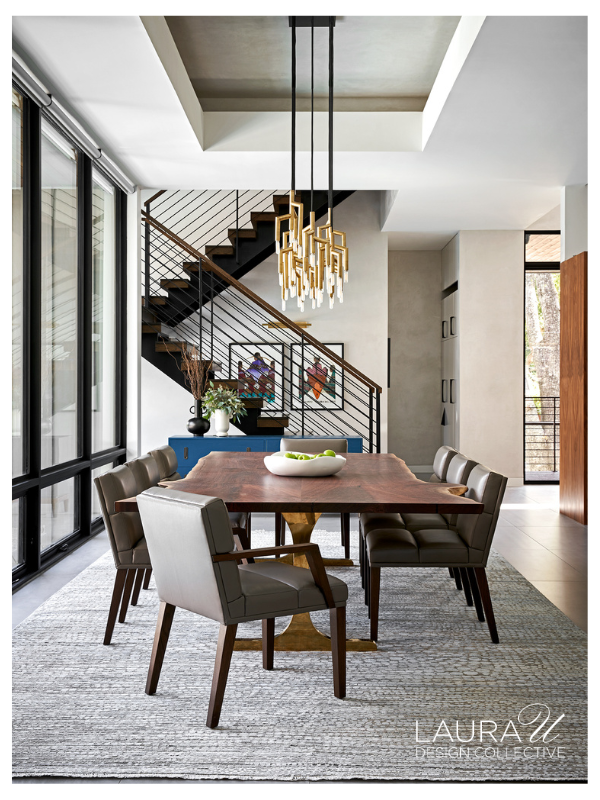
Orientation is another consideration we make as designers. A tall, narrow painting might be appropriate between two windows or along a staircase, while a horizontal work could relate better to a long sofa or low console. In particularly tall spaces, a vertical composition can make better use of the architecture without needing the artwork to extend across the entire wall. Of course, larger isn’t automatically better. A smaller piece can actually work really well in a tall space when its placement relates to a specific architectural feature or furniture arrangement.
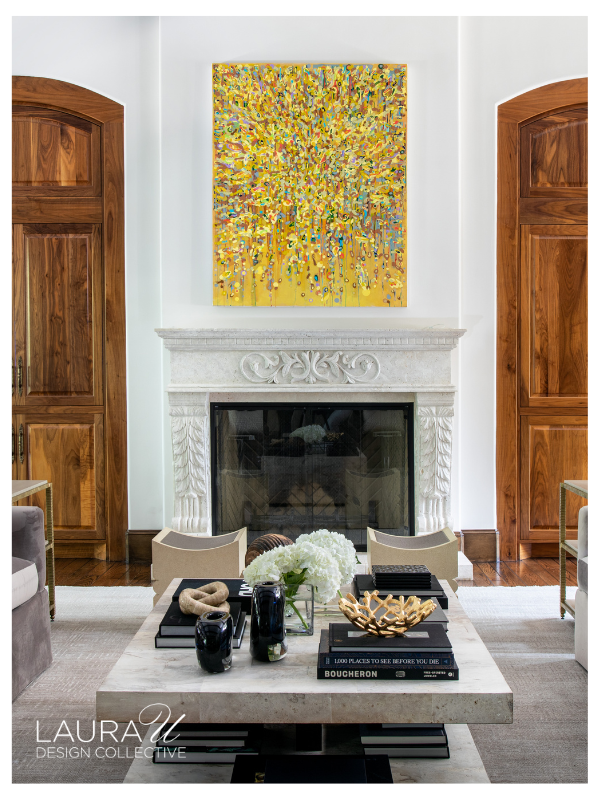
Our Circle Drive project includes several examples of artwork responding to the surrounding architecture. A large yellow painting by Charlotte Smith occupies the wall above the fireplace between two doors, while other works are positioned along the entry and stairwell. The placements account for the architectural openings and the relationships between spaces. We also considered how artwork would be viewed from adjoining areas, particularly where a painting could draw attention toward another part of the home.

#4 Decide Between One Large Piece and a Grouping
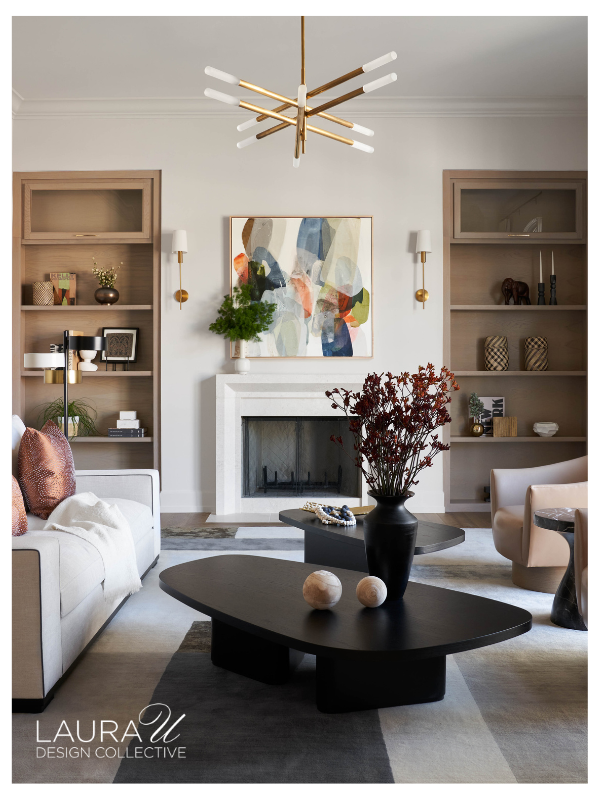
One oversized painting can be gorgeous, but there are plenty of situations where two or more smaller pieces make more sense. Diptychs, triptychs, pairs, and gallery walls allow you to create a composition that occupies a larger area without depending on a single monumental work.
When selecting several pieces, measure the entire grouping, including the spaces between frames. Three artworks measuring 20 inches wide, with three inches between each, would create a composition 66 inches across. The spacing also needs to relate to the scale of the artwork. Small framed photographs might work with relatively narrow gaps, while substantial canvases could benefit from more separation.
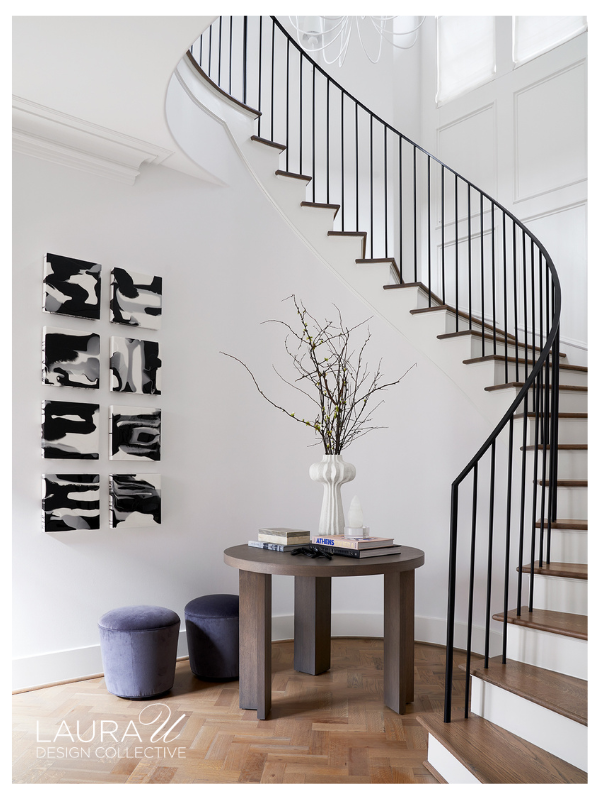
In the entryway of our University Place project, we installed a series of Andy Blank’s Tuxedo Tiles near the staircase. These resin works have organic forms that relate to the curves of the newly designed stair railing. The arrangement creates a larger composition while preserving the individuality of each piece.
Gallery walls give you even more flexibility, especially when you’re working with an existing collection. You can combine different dimensions, frame profiles, and media, though we still recommend considering the overall proportions before installing anything. A grouping above a console might have an informal arrangement, for example, while the collective width still relates to the furniture below.
#5 Determine the Right Hanging Height
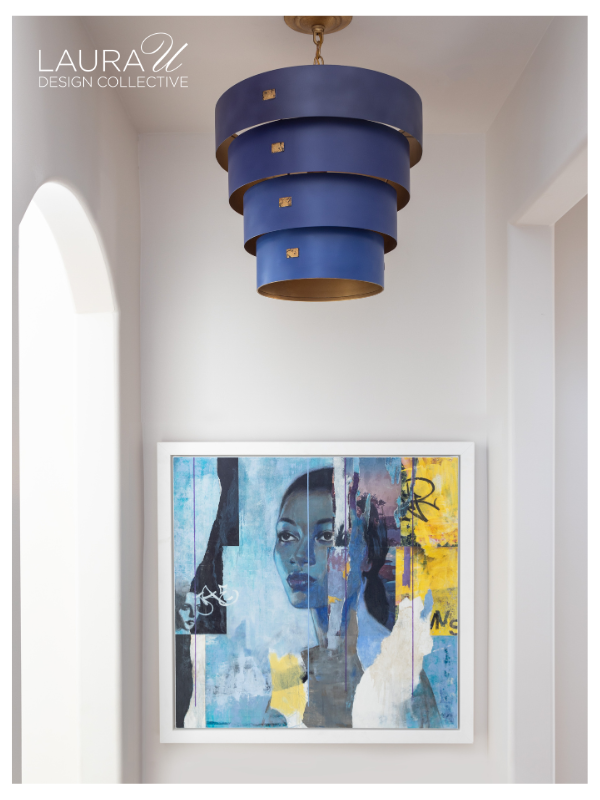
You’ve probably heard that artwork should hang at eye level, but what does that actually mean? The standard guideline is to position the center of an artwork approximately 57 to 60 inches above the finished floor. Lucie Voves also recommends a similar range in her interview with Southern Living, although the appropriate height depends on the surrounding furniture and architecture.
When we’re placing artwork above a sofa or console, we generally want the piece to relate visually to the furniture beneath it. You might begin with a gap of approximately six to eight inches between the top of the furniture and the bottom of the frame, then adjust from there. A particularly tall painting, substantial frame, or high-backed sofa could necessitate a different placement.
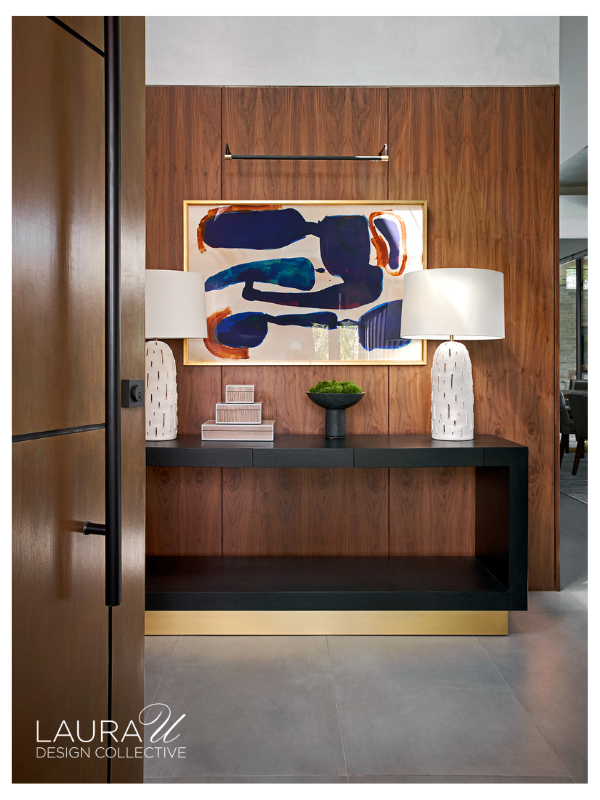
You should also consider from where people will view the artwork. A painting in a hallway is usually experienced while standing or walking, while artwork in a dining area might be viewed primarily from the table. At Braeswood Place, the homeowners’ existing abstract artwork hangs above a long entry console. The painting and furniture establish a relationship at the entry, while the artwork’s colors also influenced the Southwest sunset-inspired palette throughout the home.
We wouldn’t automatically hang every piece at exactly the same height, particularly in a home with staircases, changing ceiling heights, or multiple seating arrangements. The surrounding architecture and furnishings should help determine the final position.
#6 Include Frames and Matting in Your Measurements
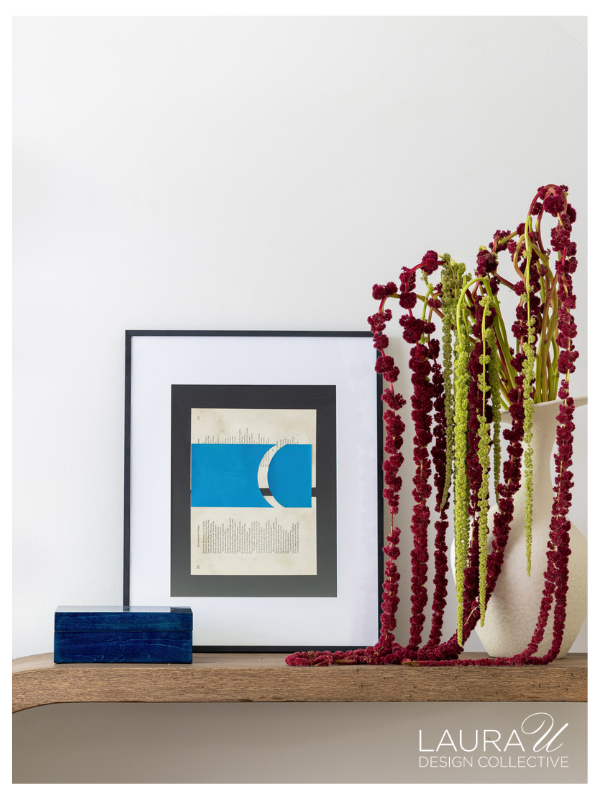
When you’re measuring artwork, remember that the dimensions listed by a gallery or artist might describe the image or canvas without accounting for the frame. A photograph measuring 20 by 24 inches could occupy a lot more wall space after you’ve added a wide mat and heavy frame.
Matting can also change the proportions of a smaller piece. A relatively modest work on paper might have enough detail and significance to deserve a prominent location, but the image itself may not occupy much of the wall. Increasing the mat width can give the artwork additional space within the frame while preserving its original dimensions. Alternatively, a large painting might benefit from a minimal frame that doesn’t introduce too much additional width or visual detail.
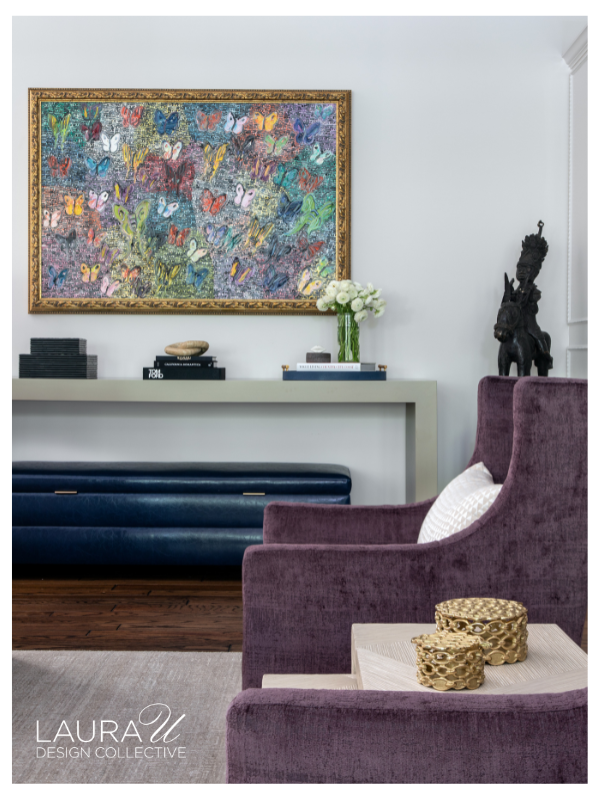
At Circle Drive, we worked with Maura Parro of Laura Rathe Gallery on several pieces. The homeowner wanted the painting to command its wall, so the artwork was finished with an ornate gold frame. The frame contributes to the scale of the finished piece, along with the colors and decorative details already present in the interior.
And you certainly don’t need to use identical frames throughout your home. Different periods, materials, and artistic media may call for different framing approaches. We would, however, measure the finished dimensions of each piece before finalizing its placement.
#7 Evaluate Natural and Artificial Lighting
Lighting is another important consideration when you’re determining where artwork should go. A large painting might have the perfect proportions for a particular wall, but direct sunlight, reflections, or the location of existing fixtures could make another position more appropriate.
We consider how much natural light penetrates the space throughout the day, whether glazing creates glare, and where the artwork will be viewed. Works on paper, textiles, photographs, and other light-sensitive pieces may require additional protection from prolonged sunlight. And while we love natural light, it isn’t always the best source for displaying a valuable collection.
Artificial lighting introduces its own considerations. Recessed adjustable fixtures can illuminate artwork from above, while picture lights may be appropriate for framed paintings and photographs. The dimensions of the artwork influence the spread of light required and, in the case of a picture light, the appropriate fixture width. If we’re planning a renovation or new construction, we prefer to consider these details before the electrical and ceiling plans are finalized.
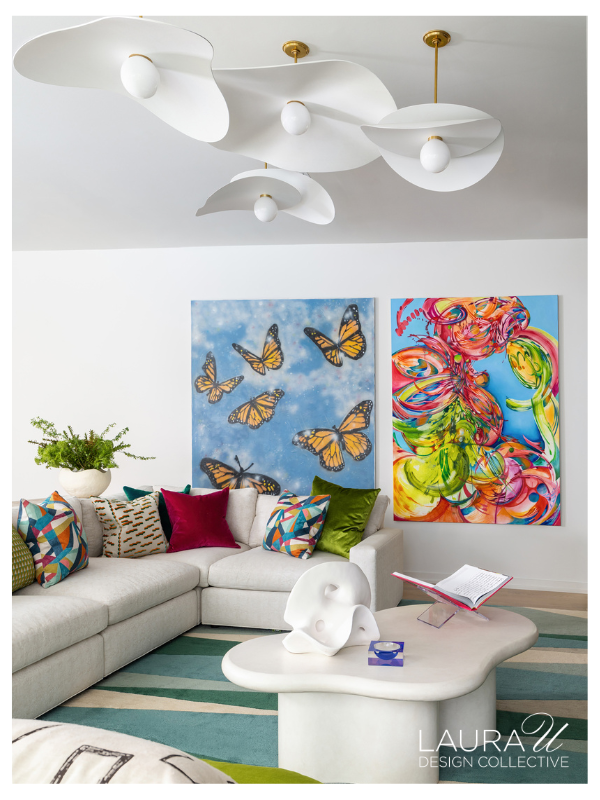
At University Place Contemporary, the homeowners’ colorful contemporary art collection helped inform our approach to the interiors. We developed the furnishings and sculptural lighting in relation to those existing works, rather than treating the collection as a final decorative addition. The relationship between artwork, lighting, and furniture is especially important in a home where the clients already own pieces they intend to display prominently.
We discuss additional considerations, including illumination, glare, and protecting delicate works, in our earlier article on marrying art and interiors.
#8 Plan for Delivery and Installation Before Committing
Even after you’ve measured the wall, considered the furniture, and selected artwork that seems appropriately sized, it’s worth visualizing those dimensions before committing to the installation. This is especially important when you’re working with several pieces or deciding between different sizes.
In a May 2024 article for Good Housekeeping, Molly Pusey recommends cutting newspaper or wrapping paper to the dimensions of your artwork and temporarily attaching the templates to the wall. You can experiment with different configurations before installing any hardware. Similarly, in the November 2026 Southern Living article, Lucie Voves recommends using full-size paper templates and even keeping them on the wall for a few days before deciding on the final arrangement.
You can also use painter’s tape to outline the finished dimensions of a single painting or photograph. Consider the arrangement from several positions throughout the space, including any adjoining areas where the artwork will be visible. A grouping that looks perfectly proportional from directly in front of the wall might need adjusting when viewed from a nearby seating area or through an architectural opening.
Sometimes the right solution is adjusting the artwork itself. At Circle Drive, our client loved a sculptural painting by Zhuang Hong Yi, but the original was too large for the intended space. Working with Maura Parro of Laura Rathe Gallery, she commissioned a similar piece in a smaller size, preserving the colors and floral composition she loved while accommodating the dimensions of her home.
Commissioning artwork can be particularly exciting when you have a specific wall in mind. Depending on the artist and medium, you may be able to request a particular size, palette, or composition, although every artist approaches commissions differently.
Don’t Forget!
Make sure you can physically get the artwork into your home! A monumental painting might have perfect proportions for your living space, but you’ll want to check that it can pass through the front door, hallways, stairwells, and any tight corners along the delivery route. Door height and width are important, of course, but a large framed painting might also need additional clearance to turn through a hallway or navigate a staircase. We recommend reviewing the finished dimensions, including the frame and any protective packaging, before purchasing or commissioning a particularly large piece.
Sculptures are another thing entirely. A heavy stone or bronze work might actually require an assessment of the floor’s load-bearing capacity, particularly on an upper level or where weight is concentrated on a small base. Wall-mounted pieces also need appropriate structural support and installation hardware. Depending on the artwork’s dimensions, weight, and materials, we might coordinate with a professional art installer or structural engineer before finalizing its location. These are all decisions you should try to make early on (with expert input) when there’s still time to adjust the placement or installation plan.
Selecting the Right Size Art for Your Home
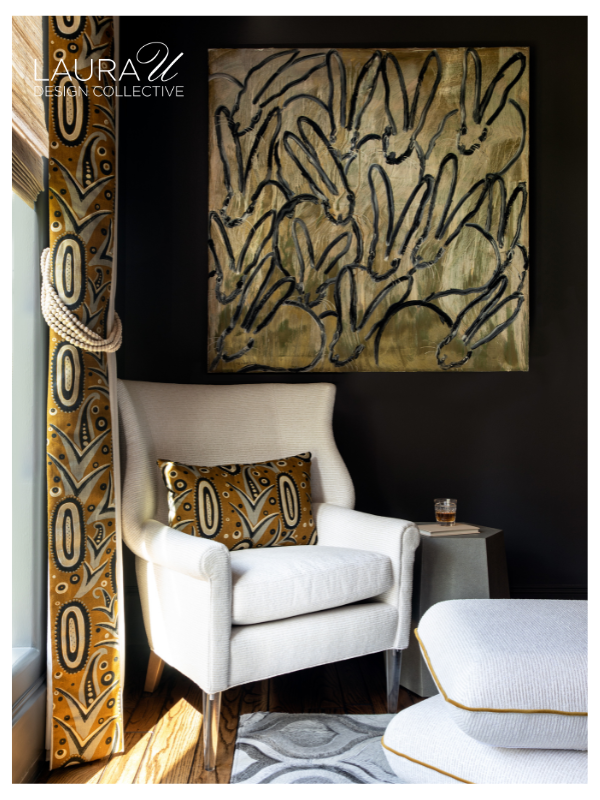
The guidelines we’ve laid out above are incredibly useful when you’re trying to determine what size art will work best on a particular wall, but they absolutely aren’t hard-and-fast rules. A smaller painting might be exactly what a mostly-resolved space needs, while an oversized piece could be the starting point for an entire interior! We consider the architecture, furnishings, lighting, and the client’s existing collection before deciding on scale and placement.
We also regularly collaborate with art galleries and consultants to help our clients find pieces that reflect their interests and work within their homes. At Hunter’s Creek, for example, we worked with Ellio Fine Art to source artwork while our team developed the surrounding interiors. We share more about these collaborations, and how we incorporate art throughout the design process, in our article How to Marry Art and Interiors through Eight Design-Minded Tips.
Thank you for reading!