

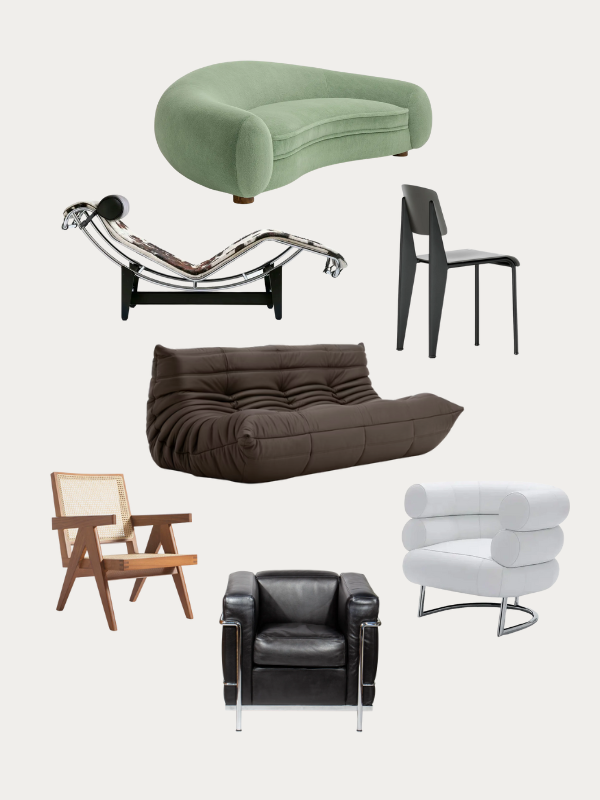
French Modernism is a design style built on thoughtful, subtle, and engaging contrasts, particularly between classic and contemporary pieces. This might mean sculptural silhouettes against pared-back architecture, antique furniture beside sleek metal accents, or rich textures amidst a neutral color palette. French Modern interior design takes the best of French elegance and punctuates it with natural materials, contemporary elements, and bold art objects. It’s no wonder furniture pieces of this style feel right at home in transitional interiors, which thrive on layering old and new.
Transitional design also lives in the in-between. It respects architectural character and classic proportions while introducing clean lines, edited styling, and contemporary comfort. The French modernist furniture icons below are perfect bridge pieces. Each one brings a sense of history and artistry, yet is still streamlined enough to sit comfortably with today’s tailored upholstery, simple millwork, and calming color schemes.
Use this list as a guide when you’re curating a “collected, not curated” home. After all, you want a space that feels elevated but still perfectly livable.
Understanding the Difference Between French Country and French Modern
Before we peruse the following list of French Modern pieces listed below, it’s important to understand the difference between these two French interior design styles. The French Country style leans quite a bit more rustic, weathered, and timeworn, with antiqued surfaces, chunkier textiles, and natural elements that could easily have come from the surrounding landscape.
This article describes it as welcoming and casual. Many homes that embrace this look retain original quirks like uneven plaster or exposed wooden beams, and those details usually become part of the space’s enduring appeal.
French Modern interior design, by contrast, is far more sophisticated. It is still rooted in history, but the shapes are cleaner and selections feel more intentional. Architectural details are still important, but the lines are simpler.
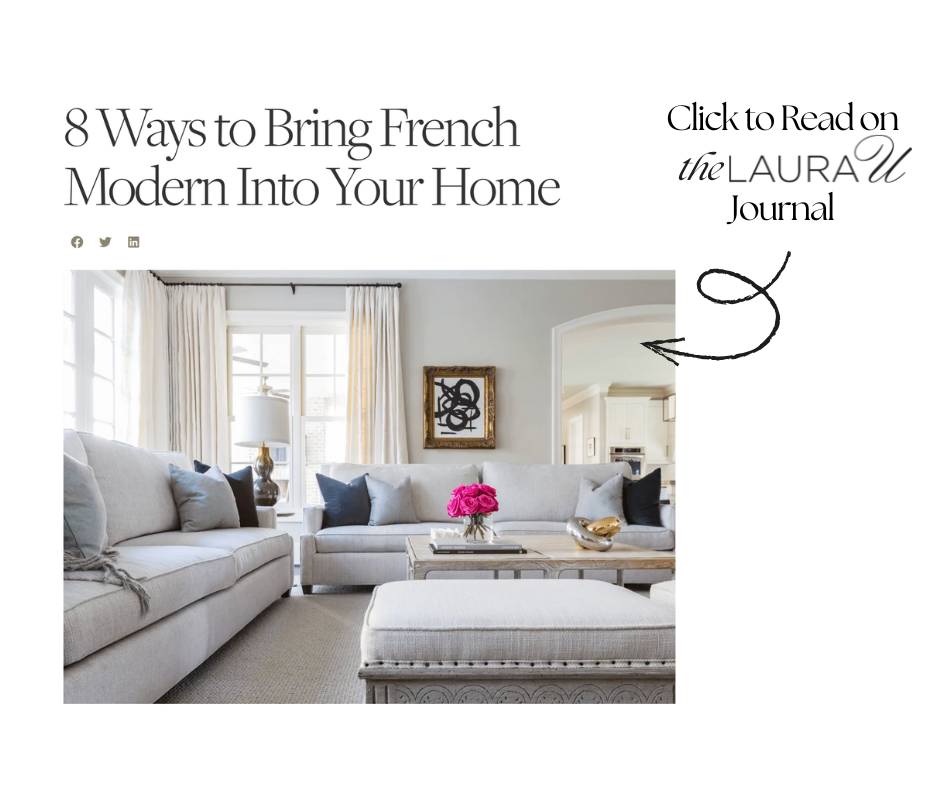
The palette often reflects neutral tones pulled from natural materials, and any ornament is used sparingly. You might notice contemporary elements near antique pieces, but that tension between old and new feels polished and interesting rather than forced or fussy. To capture the style in your own home, consult this earlier post in the Journal.
Exploring the Influences Behind French Modern
French Modern interior design grew out of several earlier movements. For example, you will still see the curved lines, the organic shapes, and the appreciation for handmade details that we associate with Art Nouveau, but the style doesn’t rely on the more ornate flourishes that defined the original movement.
It also borrows ideas from Art Deco, mid-century French furniture, and even the organic, streamlined sensibilities of Scandinavian design. These influences ensure that French Modern interiors feel balanced and contemporary without losing the essence of craftsmanship. This blend is one reason French Modern occupies the space between classic and contemporary ideas so comfortably, especially in homes that already have character.
7 French Modern Furniture Pieces We Love in Transitional Interiors
Jean Royère “Polar Bear” or Polaire Sofa
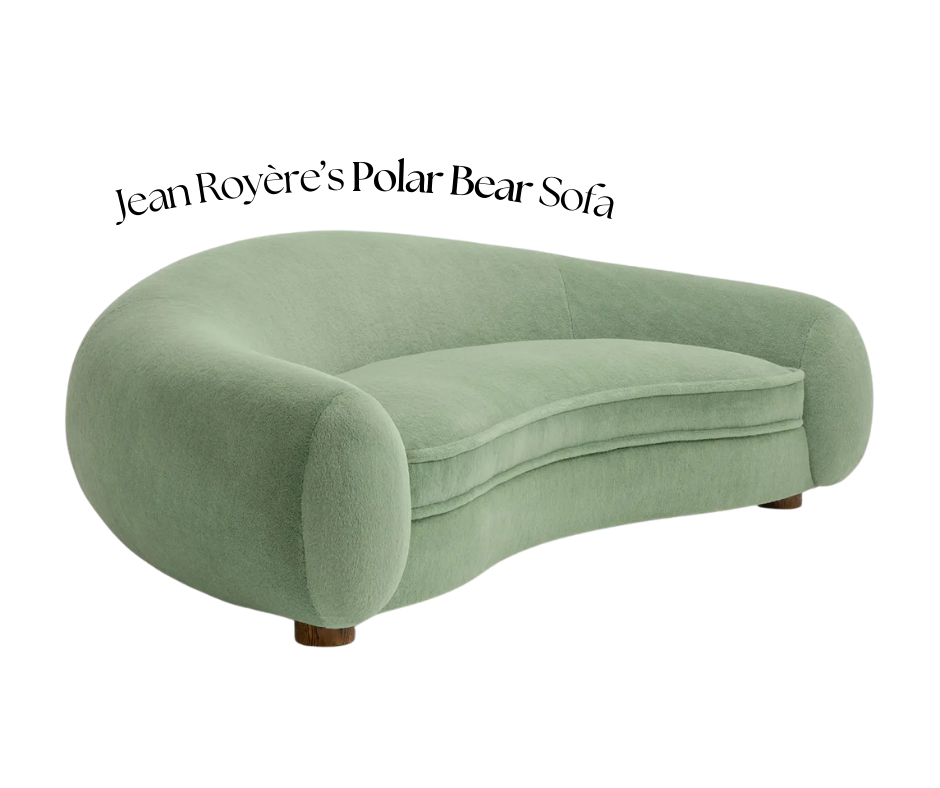
Described by Hannah Martin in this article for Architectural Digest, Royère’s famous sofa is “covered in deliciously fuzzy velvet” and has an interesting place in design history. It looks incredibly plush, almost exaggerated, but it still boasts a very considered, edited silhouette. It made sense in the late 1940s when French interiors were shifting away from austerity and toward playfulness.
François Catroux, quoted by Martin in that AD article, said it best when he described the Polar Bear sofas this way: “‘they’re unusual, they’re beautiful, they’re rare, and everyone looks so elegant and relaxed sitting on them.’” There is no better way to describe French Modern design (or transitional interiors) than beautiful, rare, elegant, relaxed, and a little bit unusual.
In a transitional room, the Polar Bear rounds out sharper architectural details. It works well with neutral colors and feels especially at home near a painted panel wall or an ornate mirror. If the room has wooden beams or a stone fireplace, the curves of this sofa relax the setting just enough without making the room rustic.
Ligne Roset “Togo” Sofa
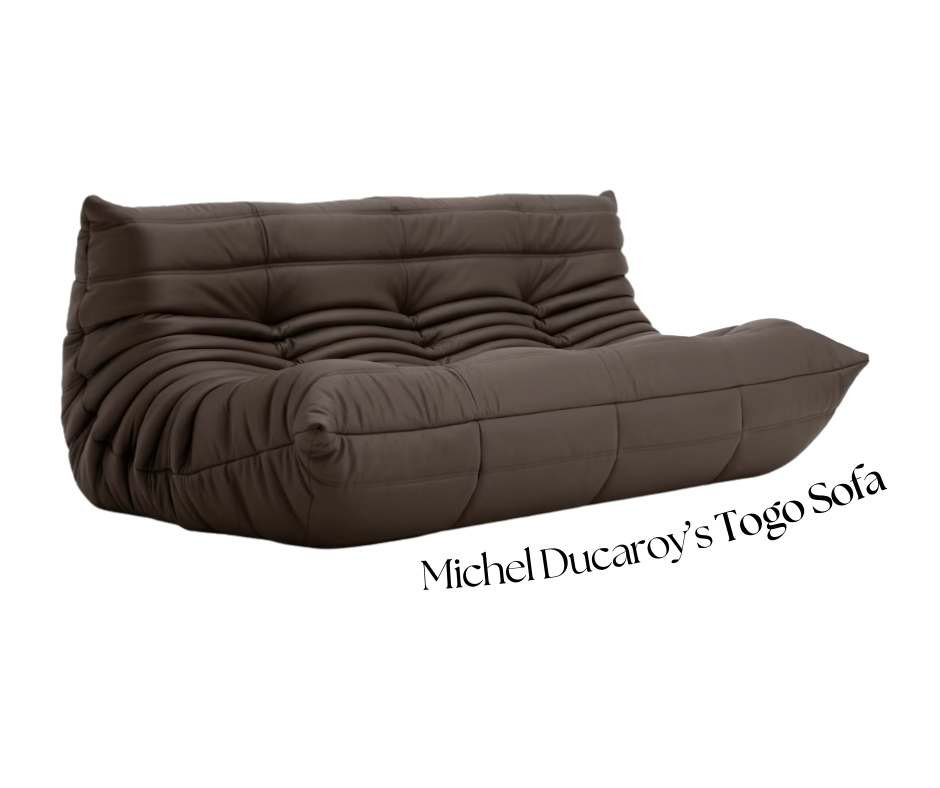
Technically postmodern in origins, Michel Ducaroy introduced the Togo in the early 1970s. At this time, French interiors were heavily diverging from rigid formality, but the slouchy style was still a shock. After years of experimenting with new foams and upholstery techniques, Ducaroy debuted the Togo, surprising nearly everyone.
It challenged the idea that furniture in the modern home needed a rigid frame. The form folds in on itself and feels almost hand-sculpted, which makes sense given the era’s growing interest in comfort and informality. This French Library article on French modernism mentions the shift away from earlier decorative movements and toward materials that suited a more flexible lifestyle. The Togo embodies that “lived in” feel perfectly.
The sofa is famously low, wide, and relaxed. You can almost picture it in a room full of laughter and conversation, with guests lung casually across the upholstery. The pleats are intentional, not sloppy, and the proportions feel incredibly contemporary. Collectors look for it, families lounge on it, and designers keep returning to it because it is unique, intriguing, and easy to build a space around.
In transitional interiors, the Togo softens rooms that risk feeling too formal. It pairs comfortably with antique tables or more contemporary artwork. In our earlier French Modern article, we talked about creating a collected feel rather than a staged one. The Togo does that well. Its casual posture balances architectural details and brings a room back to earth.
Le Corbusier LC2 Armchair
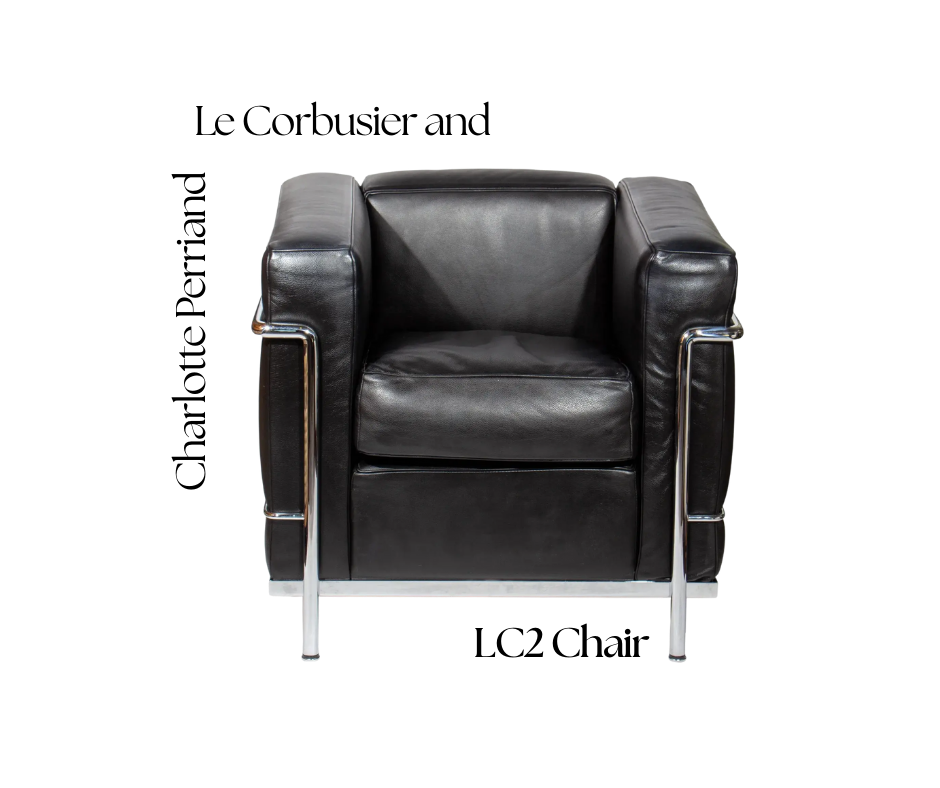
When Le Corbusier and Charlotte Perriand developed this chair in the late 1920s for Cassina, they were thinking about how the human body actually rests, which was somewhat of a new idea at the time. First called the “Easy Chair” (Fauteuil Grand Confort in French), this 1928 chair was comfortable, supportive, and interestingly structural.
The metal cube-shaped frame holds the chair’s shape firmly in place, but its cushions are plush and conform easily to the body. It was considered extremely modern in its moment and became the perfect reference point for good proportions in furniture design. It still appears in museums like MoMA and in Paris apartments with ornate moldings because it can handle almost any architectural context. From 1928 to today, the LC2 and its companion piece the LC3 (which is slightly larger and lower), can be found all over the world. In pop culture, the design has graced film, television, print advertisements, and even the introduction of Apple’s iPad back in 2010.
In transitional interiors, the LC2 adds structure and clarity to a space’s composition. It can either perform as part of the room’s architecture or delineate zones by creating a natural corner with its cubic silhouette. Our earlier French Modern article mentioned how a room’s existing details should guide the design. The LC2 is a perfect example of how iconic pieces can be both supportive and distinctive.
Le Corbusier LC4 Chaise Longue
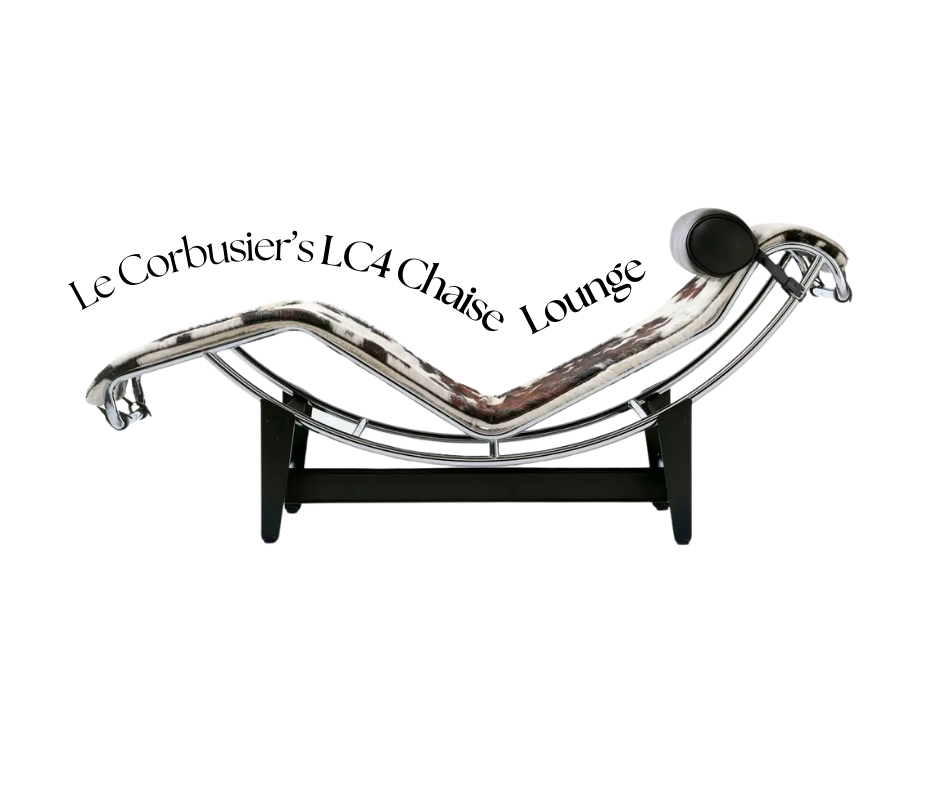
Le Corbusier, Charlotte Perriand, and Pierre Jeanneret introduced the LC4 in 1928 while modernist designers were developing new metal fabrication methods, something the French Library article discusses in its overview of the period. The design is straightforward. A curved seat rests on a stable base, and the form follows the body without extra decoration. The use of metal and leather reflects the material priorities of the era and the interest in utilitarian construction.
In transitional interiors, the LC4 functions well in spaces that need a defined shape without adding visual bulk. It often works beneath mid-height windows or beside shelving where a conventional armchair might feel cramped. The earlier French Modern article we mentioned recommends using natural light strategically. The LC4 responds well to that guidance and looks appropriate in rooms with a mix of older trim and more contemporary furnishings or decor.
Jean Prouvé “Vitra Standard” Chair
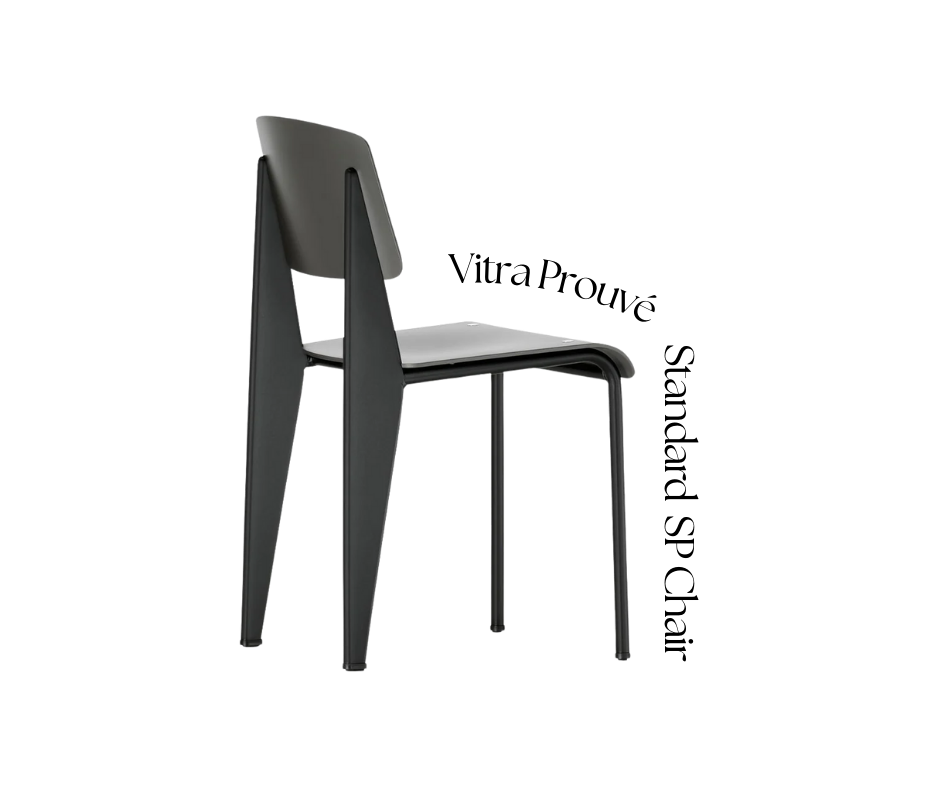
Jean Prouvé designed the Standard Chair in 1934, and Architectural Digest’s Hannah Martin explains its most recognizable feature as “two 90-degree bends of tubular steel slot into hollow, folded steel back legs to form a lightweight but sturdy frame for a solid wood seat and back.” Catherine Prouvé noted in that same interview that her father “liked to swing on a chair,” which is why he engineered the stronger back legs.
Those metal “wings,” as they are sometimes described, later appeared in Prouvé’s architectural work and became part of his design identity. The French Library’s article on French modernism places Prouvé within a broader movement that valued functional materials and practical construction, which helps explain why the Standard Chair still feels relevant today.
In transitional interiors, the Standard Chair works because its structure is straightforward and its profile stays consistent whether the room leans classic or contemporary.
Chowdhury and Jeanneret “Chandigarh” Chair
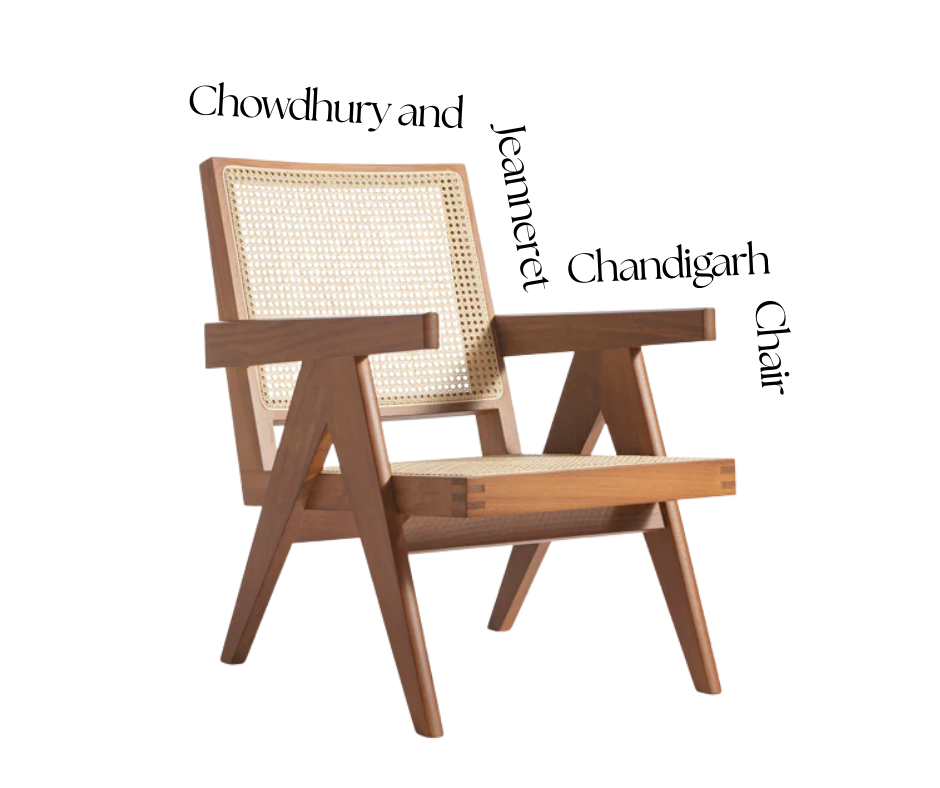
Eulie Chowdhury, a group of Indian designers, and Pierre Jeanneret created the Chandigarh Chair in the 1950s for large-scale civic projects in India. The French Library article notes how postwar designers gravitated toward natural materials and efficient construction, and this chair reflects those priorities with its teak frame and woven cane seat. The form is direct and avoids unnecessary ornament, but the V-shaped legs and sharp arms are interesting in and of themselves.
While the chair isn’t “French” in the sense of being manufactured in France, it is French in authorship, design principles, and modernist influence. Its teak frame, cane seat, and straightforward construction reflect Jeanneret’s shift toward organic elements in the postwar period. So while the Chandigarh Chair is sometimes described as Indo-Modern, it is widely accepted within the design world as a French modernist design executed abroad.
In a transitional room, the Chandigarh Chair adds texture without substantially altering the existing style of the space. It pairs well with muted rugs, bold artwork, or older architectural features. If you love the silhouette of the Chandigarh but would prefer a different upholstery style, Pierre Jeanneret’s Capital Complex version of the armchair might better suit your space. Today, easy armchairs, counter stools, and dining chairs are made in this style.
Eileen Gray “Bibendum” Chair

Hilariously inspired by the Michelin Man, Eileen Gray designed the Bibendum Chair in the late 1920s to early 1930s. The structure is composed of stacked circular cushions supported by a tubular metal frame. It is unusual in form yet consistent with Gray’s interest in geometric clarity and efficient construction. Seen above in The Glass Salon designed by Paul Ruaud, the chair is widely recognized as one of her most identifiable works from the period.
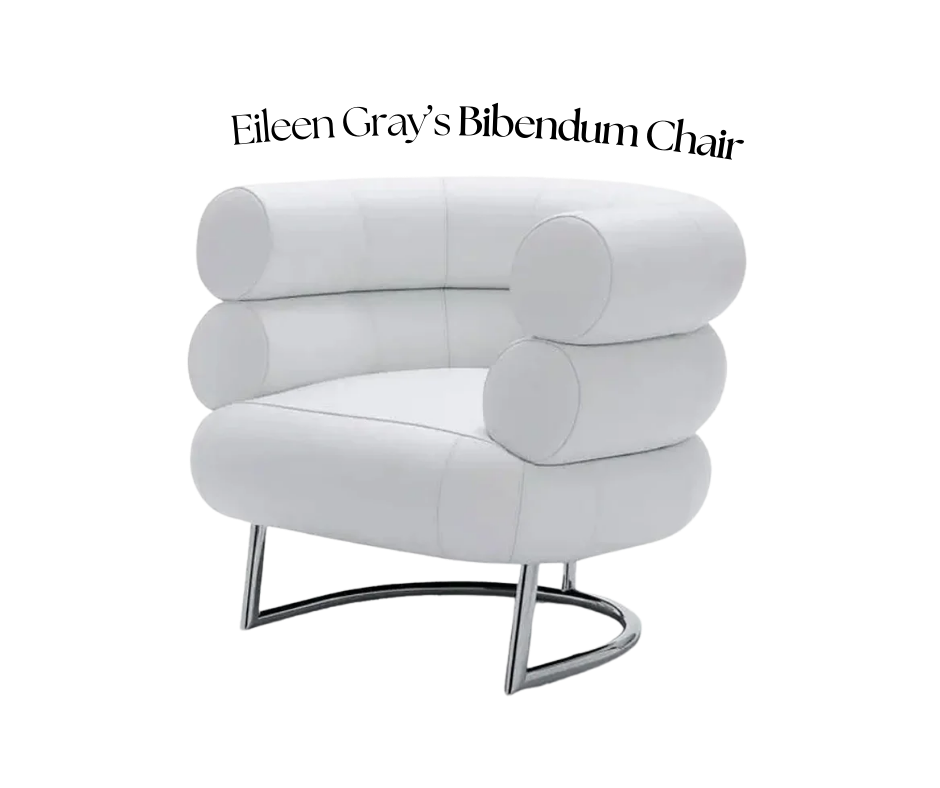
In transitional interiors, the Bibendum provides a clear visual counterpoint to more traditional pieces. It fits comfortably beside antique tables or cleaner-lined sofas. The earlier French Modern article addressed the usefulness of mixing contemporary and historic elements. Gray’s chair is well suited to that purpose and adds a single bold, modern note without overwhelming the rest of the furnishings.
