

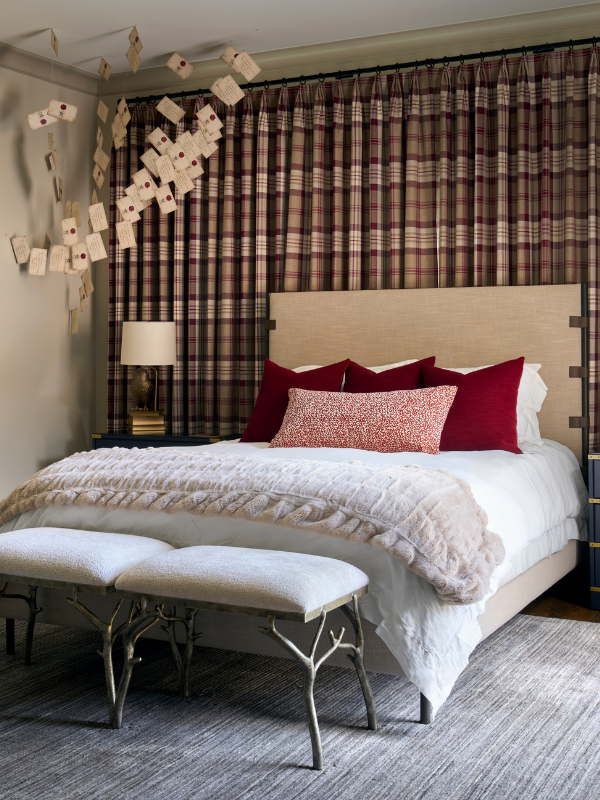
There are plenty of reasons to design a room around a specific theme, and we strongly encourage infusing your interiors with personality. You might have a favorite destination, a collection you’ve spent decades building, or a film that’s become part of your family’s traditions. Of course, the greatest challenge in designing a themed space is deciding how directly and explicitly those interests should influence it. A few carefully curated objects might be enough, or you might want an entire room dedicated to something you love.
At our Hunter’s Creek project, both clients loved Harry Potter and wanted a guest bedroom that incorporated their collection of memorabilia. We designed the space with plaid drapery, burgundy textiles, navy furniture, and custom displays for their books, wands, and other collectibles. The Hogwarts references are unmistakable, though the furniture and textiles would be equally appropriate in a traditional guest bedroom.
We’ve approached regional themes differently at Braeswood Place in Houston and Camino Haciendas in Santa Fe. In both homes, the clients’ connection to the Southwest informed our choices of artwork, antiques, materials, and color. Throughout this Journal post, Braeswood Place is our example of using an existing art collection to develop a palette within modern architecture; Camino Haciendas is our example of incorporating regional antiques, cultural references, and sunset colors more extensively.
Below are six ways we approach themed interiors, whether the inspiration is a fictional world, a favorite destination, or a particular period in design history. By following these tips, you will be able to design a tasteful themed interior that doesn’t skew tacky whatsoever.
Six Ways to Design a Tastefully Themed Room
Start With the Part That’s Personally Meaningful
Before selecting wallpaper or ordering furniture, think about your particular connection to the theme. Someone who loves Harry Potter because they grew up reading the books might approach their interior differently from someone who collects film memorabilia. Similarly, a family with deep roots in Santa Fe might have a very different interpretation of Southwestern design from someone who simply admires desert architecture or adores Georgia O’Keeffe.
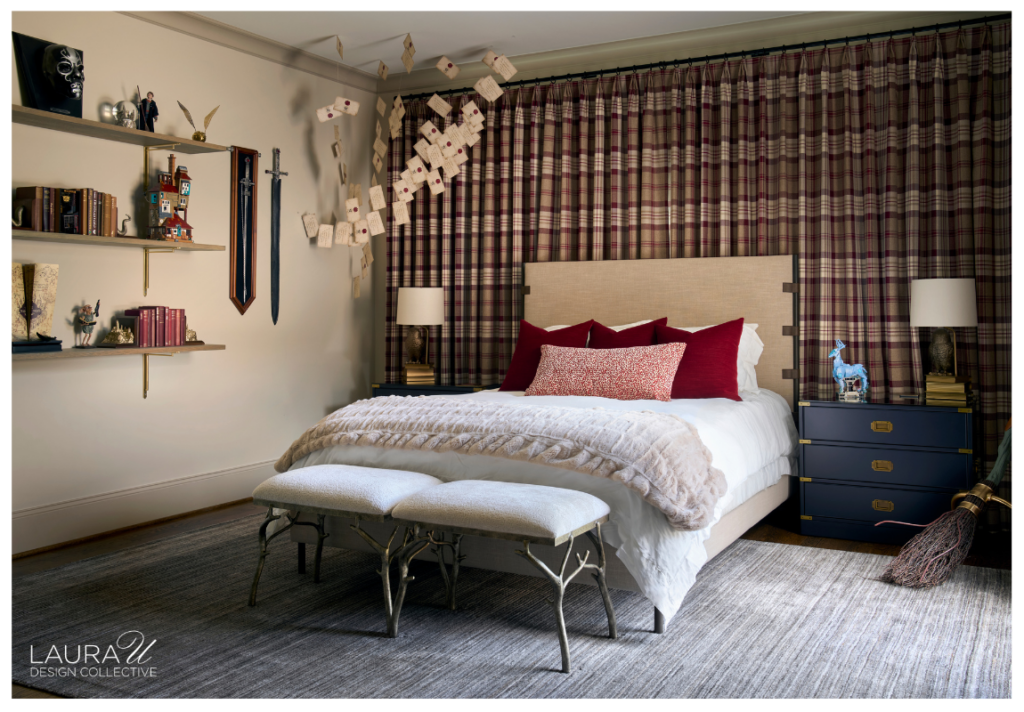
Our Hunter’s Creek clients already had a substantial collection of Harry Potter objects. They wanted to incorporate those pieces into a guest bedroom that would accommodate adult visitors, so we planned the furniture, textiles, and display areas around their collection. The memorabilia has a legitimate place in the design because it represents an existing interest.
In a June 2026 article for House Beautiful, Catherine DiPersico interviewed designers Adele Nourry and Hugo Vince of L’Atelier HA about creating interiors that reflect their owners’ individual tastes. They encouraged homeowners to experiment with unexpected combinations and resist the pressure to follow a single, universally appealing aesthetic. A themed interior is such a wonderful opportunity to do that, especially when you already own objects with personal significance.
Develop a Color Palette Inspired by Your Theme
Color can establish a strong connection to a particular place without the need for obvious decorative references. Think about the colors you remember from a favorite destination. They might come from the landscape, architecture, local artwork, a special shop, or even a particular time of day. You can then translate those colors into upholstery, wall finishes, rugs, and more minute accents.
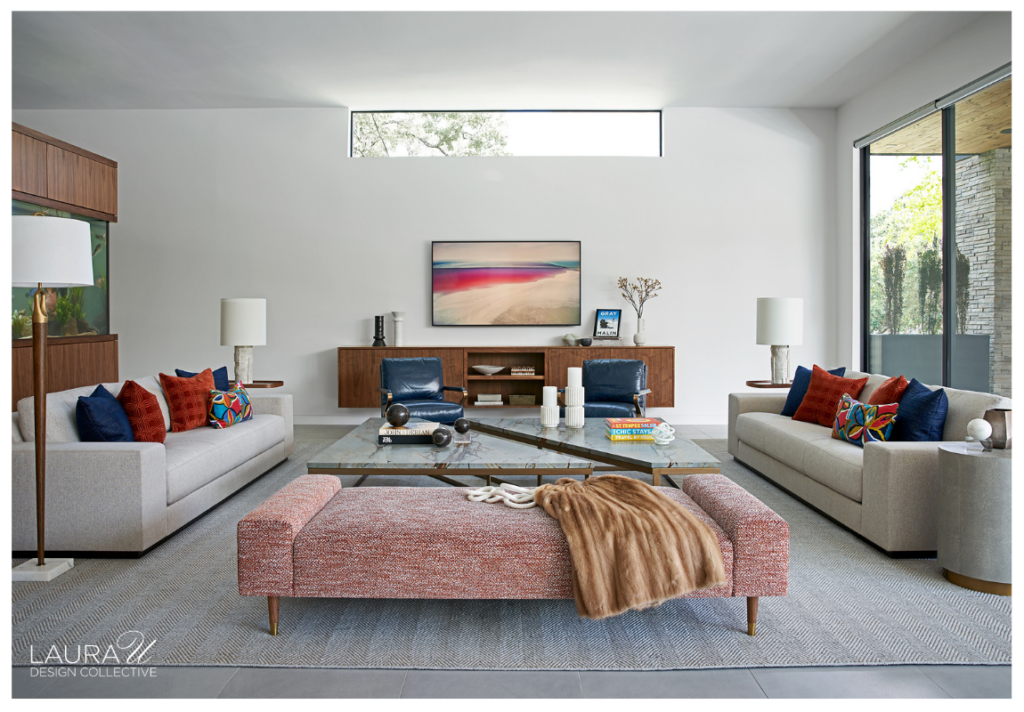
At Braeswood Place, our clients had a collection of Southwestern artwork. We used the colors in those pieces to develop a palette inspired by a Texas sunset. Orange, violet, and blue appear throughout the home alongside extensive walnut paneling. The brighter colors were particularly appropriate for one homeowner, who loved pattern and saturated hues, while the modern furniture and architectural detailing reflected her husband’s preference for a more monochromatic aesthetic.
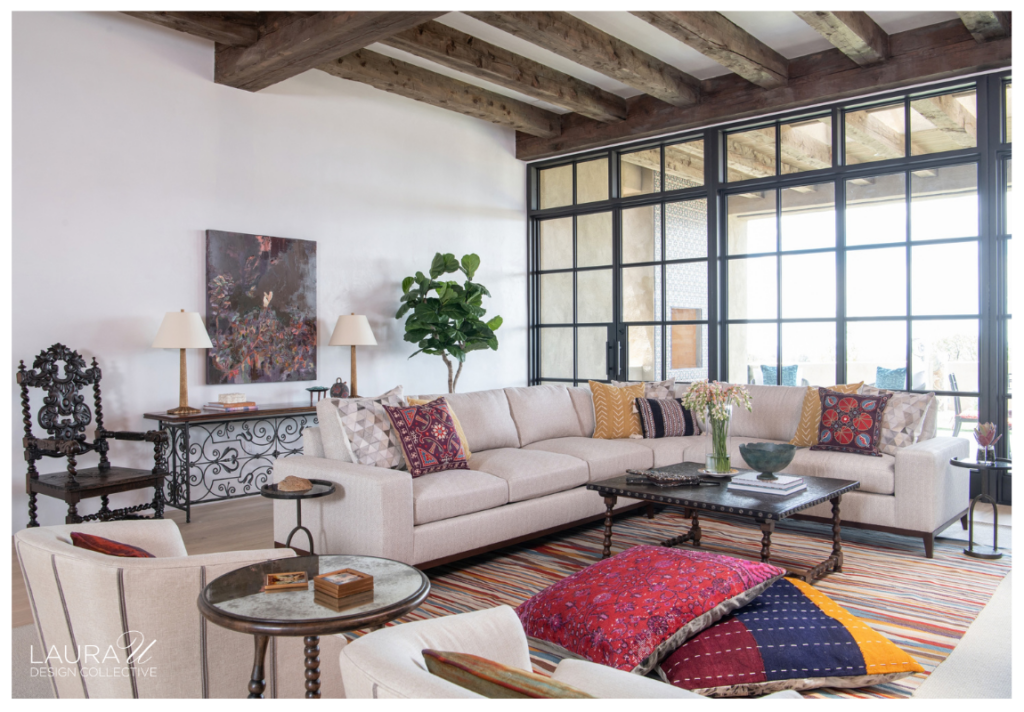
The landscape was equally important at Camino Haciendas. The colors of a New Mexican sunset inspired vibrant yellows, oranges, and reds throughout the Santa Fe home. The clients also wanted several rooms with distinct themes, including a Sunset Room and a Saints Room. We developed those spaces around the owners’ interests and the area’s cultural and artistic traditions. Our earlier Southwestern design moodboard post on The Journal explores the materials, colors, and historical influences behind that project.
In a December 2023 article for Architectural Digest, Elizabeth Yuko discussed a similar approach with designer Devon Wegman, who recommended studying the colors of a destination’s everyday architecture instead of reproducing its most recognizable imagery. Limestone façades and slate roofs, for instance, can evoke a Parisian interior without introducing any Eiffel Tower motifs.
Establish the Theme Through Textiles and Materials
Much of a room’s character comes from its larger surfaces. Drapery, upholstery, rugs, and wall treatments occupy considerable visual space, so we generally consider those materials before selecting decorative accessories. This is particularly important in a themed bedroom, where the bed and window treatments will account for much of what you see upon entering.
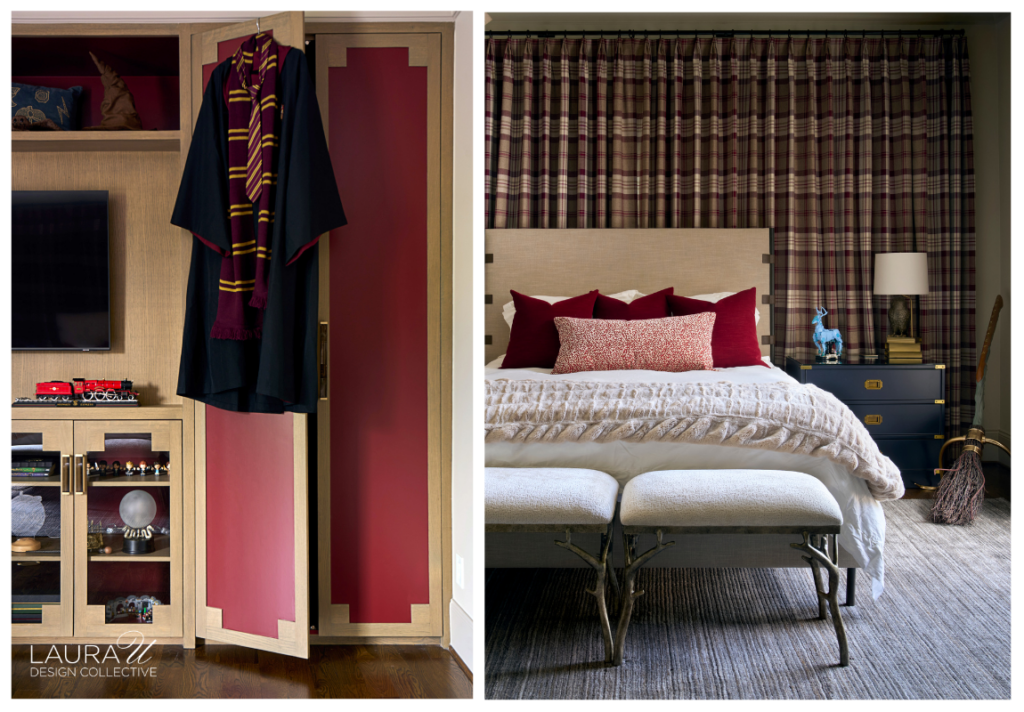
At Hunter’s Creek, we used floor-to-ceiling plaid drapery in Pindler’s Abrams fabric in Arroyo behind the guest bed. The pattern combines plum, claret, gray, and parchment, which both draws from the films’ sets and reflects the clients’ Harry Potter memorabilia collection. Burgundy velvet pillows and navy case pieces with brass details extend the palette, while cream bedding provides contrast against the darker textiles.
The materials also establish a connection to the traditional British interiors associated with the Harry Potter films. Plaid, velvet, dark wood tones, and brass have a long decorative history outside the franchise, so they create an appropriate, “grown-up” setting for the more literal references our clients wanted.
Lara Sargent explored this relationship between materials and themed interiors in a March 2024 article for Homes & Gardens. Designer Annie Harrison recommended combining wood, stone, linen, and aged metals to develop an interior through variations in texture. The same principle applies to a themed room. If the main materials already suit the inspiration, you have lots of freedom when selecting smaller decorative pieces.
Incorporate Antiques, Artwork, and Objects With a History
Antiques and collected objects introduce a period or regional influence without depending on newly manufactured themed accessories. An antique chair, handmade textile, or original painting has its own history and material character. These pieces can also introduce references that are specific to a particular place rather than a generalized interpretation of its decorative style.
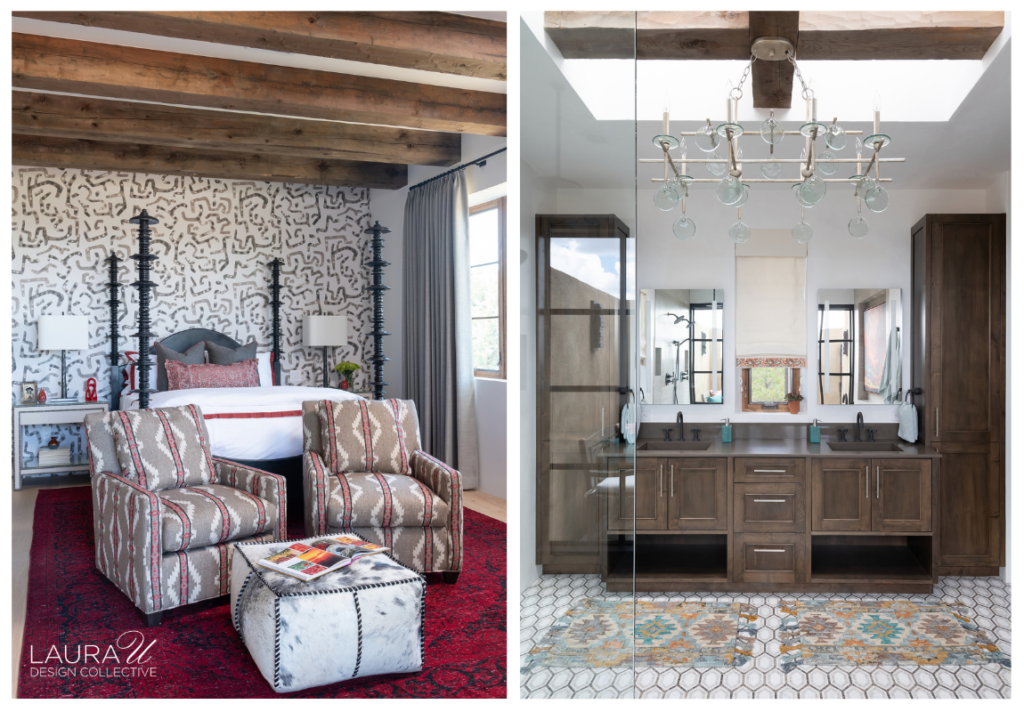
At Camino Haciendas, our clients’ ties to Santa Fe were especially important. The husband grew up in the area, attended college there, and still had family nearby. We researched the region’s history and design traditions before developing the interiors. Among the pieces used in the home were an antique Mexican pendant from Casa Rosina, an antique bishop’s chair, vintage textiles, and traditional retablos displayed in the Saints Room.
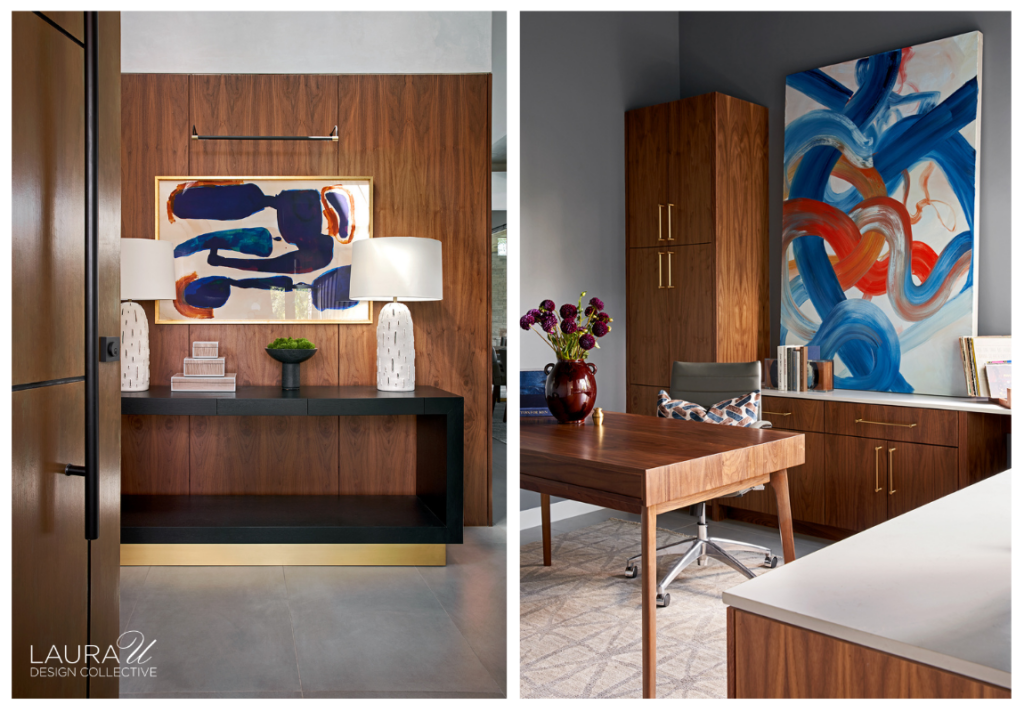
Original artwork is another great starting point. As noted above, our Braeswood Place clients had collected Southwestern art during their travels, and those pieces helped us reconcile their otherwise different design preferences. The walnut paneling, contemporary furnishings, and saturated colors were selected in relationship to artwork they already owned.
When purchasing antiques or regional crafts, research their provenance and, when possible, buy directly from artists or reputable dealers. A handmade textile by an identifiable artist has a different cultural significance from a mass-produced accessory that loosely imitates traditional patterns.
Choose Where to Use Literal References
Literal references are entirely appropriate when they’re important to the homeowner, but we always carefully consider where to place them, how few and far between they should be, and how they relate to the rest of the interior. A themed bedroom might incorporate several recognizable objects, but those emblems or symbols don’t necessarily need to appear on the bedding, wallpaper, and shelving simultaneously.
At Hunter’s Creek, Hogwarts acceptance letters extend across the wall and ceiling above the bed in one of the most literal expressions of this Harry Potter theme. Custom display areas accommodate the clients’ books, wands, and other collectibles, while the furniture and textiles provide a decorative scheme independent of the franchise. We deliberately avoided branded bedding and character graphics.
In a 2012 feature for Houzz , Samantha Schoech surveyed twelve themed interiors, including an airplane-inspired room in which the decorative objects can be changed without altering the underlying design. That is a sensible consideration when planning a themed space. The furniture, lighting, and architectural elements should be adaptable if the homeowner eventually wants a different decorative direction.
Of course, some collectors will want their memorabilia on permanent display. Custom shelves, carefully planned lighting, and an appropriate background can transform those objects into a deliberate part of the interior instead of scattering them about. Your display of memorabilia deserves the same attention as an art collection if it’s what matters to you!
Mix Furniture From Different Periods and Styles
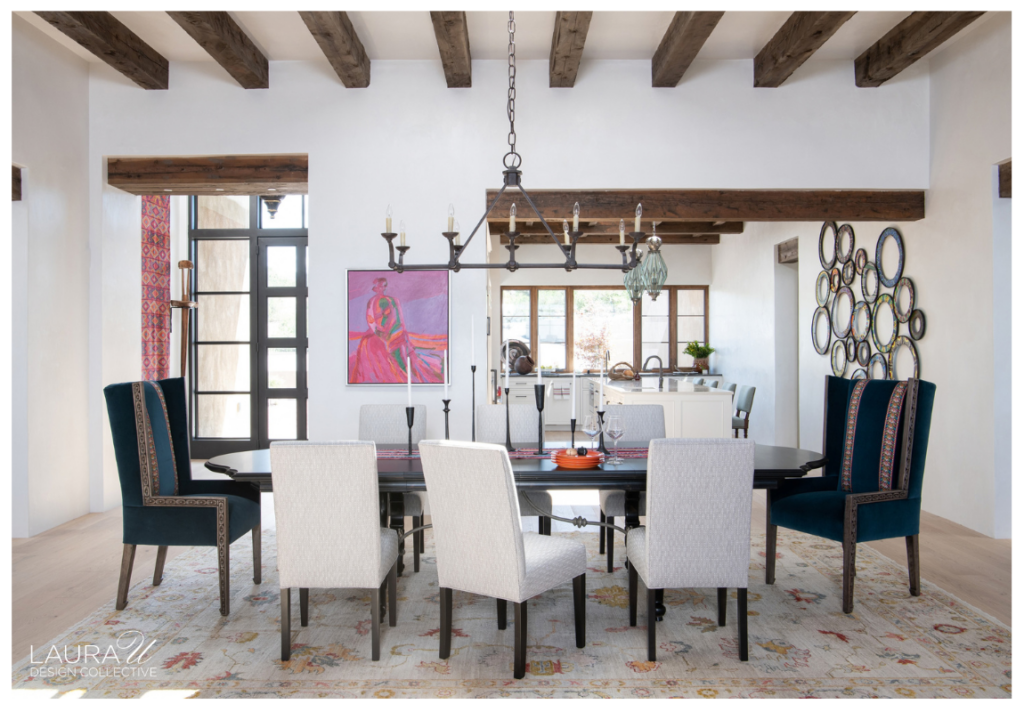
A themed room can feel predictable and overly designed when every piece was purchased in the same exact style. You might love the architecture of the Southwest, for instance, without wanting every furnishing to be rustic. A contemporary sofa, midcentury chair, or modern light fixture can work alongside regional antiques and traditional textiles.
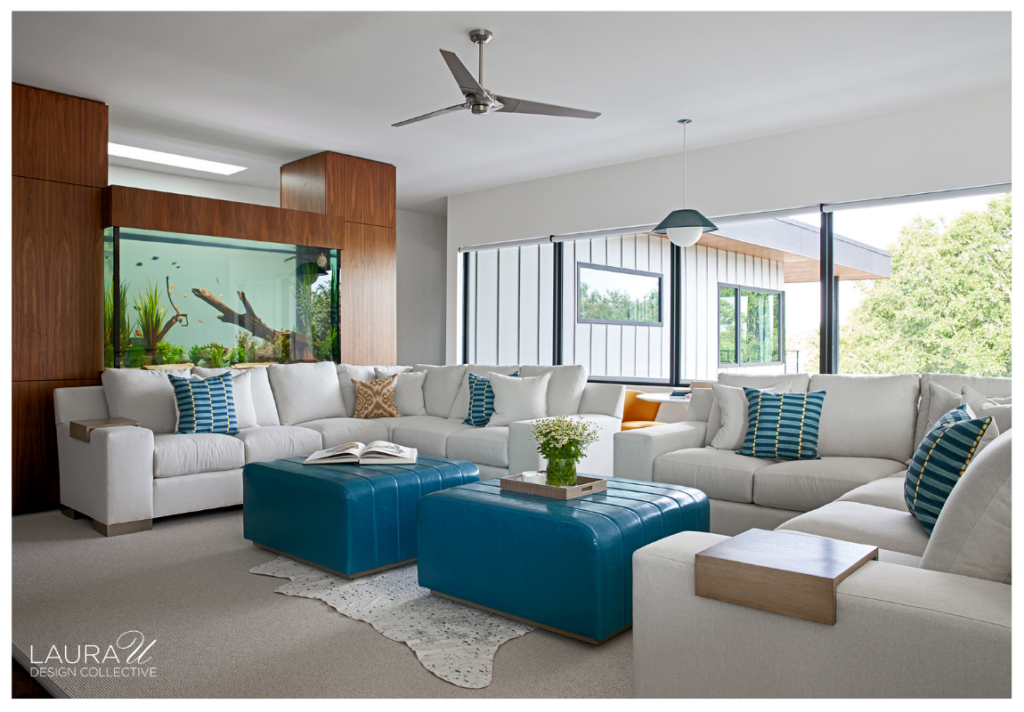
Braeswood Place is an excellent example of this. The homeowners’ Southwestern art collection inspired the colors throughout the home, while many of the furnishings reference midcentury modern design. The living area combines contemporary seating, blue leather chairs, substantial artwork, and custom walnut detailing. Its Southwestern references come primarily through art, color, and material rather than reproductions of traditional regional furniture.
An eclectic approach also gives homeowners greater freedom to incorporate objects they acquire over time. In a 2018 article for ELLE Decor, Monique C. Valeris and Kelsey Kloss gathered advice from designers Jennifer Adams and Rita Konig about combining varied furniture, materials, and textures. Adams recommended repeating selected textures to connect otherwise different pieces. This can be especially effective when a themed room incorporates antiques alongside contemporary furniture.
Designing a Room Around What You Love with Laura U Design Collective
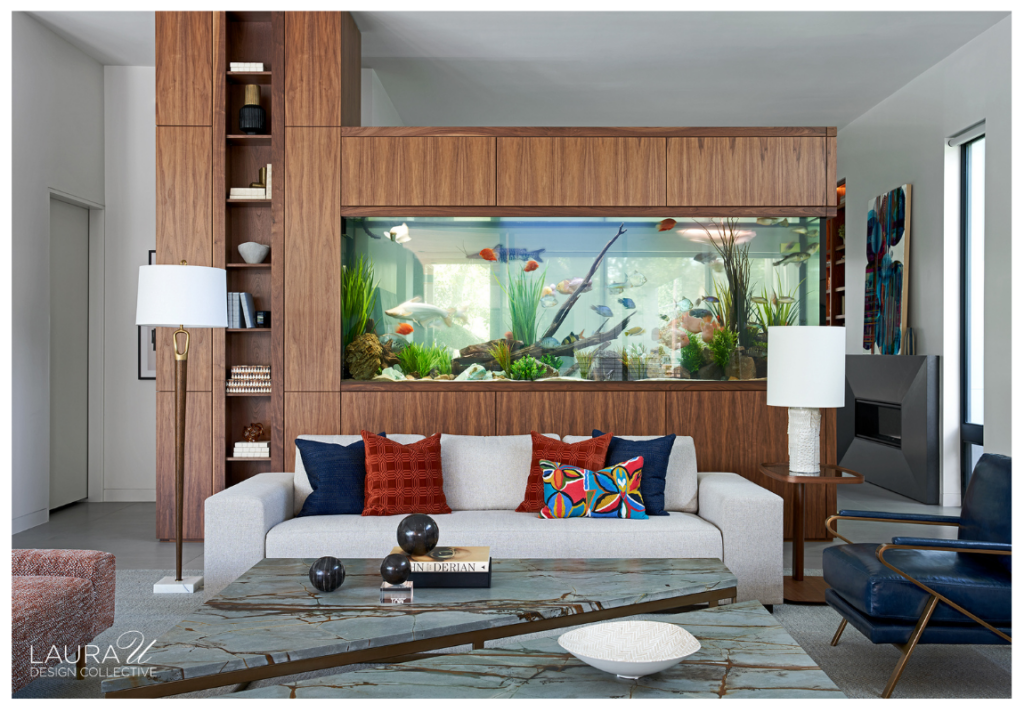
Our Hunter’s Creek clients wanted their Harry Potter collection to be part of their home, and their guest bedroom offers special pieces a prominent place within a sophisticated interior. At Camino Haciendas, the owners’ connection to Santa Fe was expressed through antiques, artwork, textiles, and colors inspired by the surrounding landscape. Braeswood Place combined Southwestern art and sunset colors with contemporary architecture and midcentury furniture.
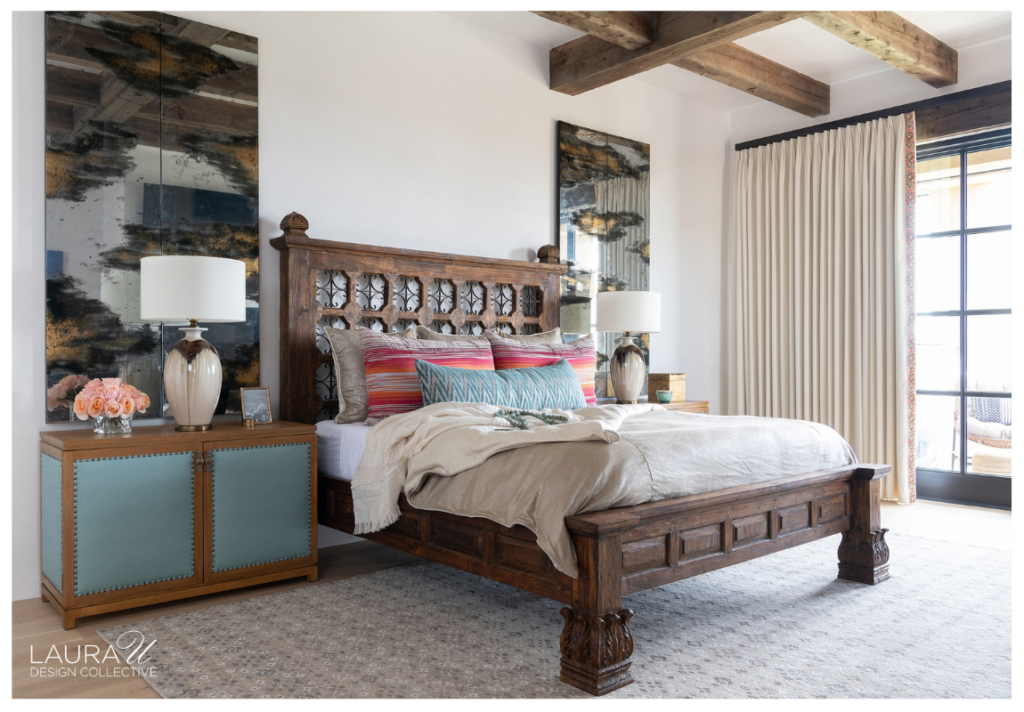
Each project referenced in this Journal post demonstrates how personal interests can guide interior design decisions in very different ways. You can be quite literal when needed, or you can interpret a theme primarily through color, materials, and collected objects. The most important consideration here is ensuring that the finished interior reflects the people who live there and accommodates the way they intend to use that space, which is why working with a design team is so valuable.
Thank you for reading!
