Few spaces in a home feel as personal as a custom wine cellar. They preserve growing collections, create opportunities for entertaining, and offer a place to display bottles that might otherwise remain tucked away in a pantry or cabinet. A thoughtfully designed wine room can become part of a home’s architecture, while integrated climate control and custom millwork protect every bottle for years to come. Whether you collect a handful of favorite vintages or hundreds of bottles intended for aging, a custom wine cellar creates storage that is every bit as beautiful as it is functional.
Like any other room in the home, a wine cellar should be designed around the people who use it. Some homeowners prioritize long-term storage, while others want a place to gather with friends over a favorite bottle of wine. Many hope to accomplish both. As Victoria Abbott Riccardi writes in an article for Ocean Home, “wine is a living entity that changes with time in the bottle,” which means thoughtful storage is just as important as thoughtful design. Our clients want to protect their collections without losing sight of the experience.
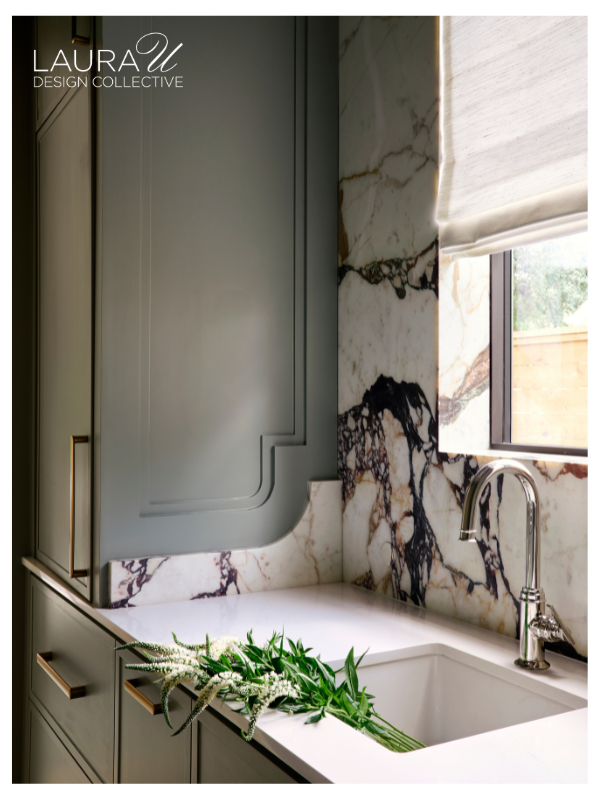
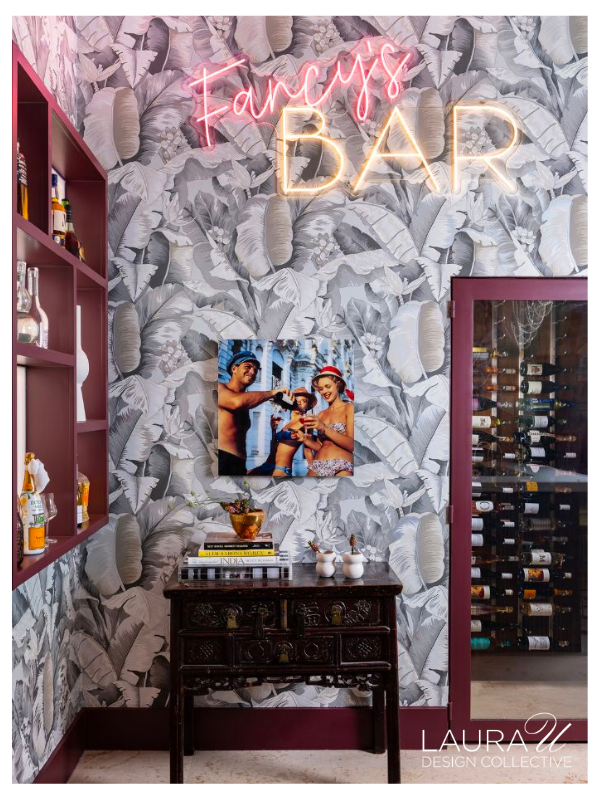
Because every Laura U Design Collective project begins with understanding the way our clients actually live, wine rooms are never designed in isolation. They connect to kitchens, dining rooms, bars, and entertaining spaces while reflecting the architecture of the home itself. Sometimes that means a dramatic glass-enclosed wine room, while other projects call for integrated wine storage within a butler’s pantry or custom bar.
Below, we’ve gathered seven ideas inspired by one of our favorite wine cellars from the Laura U Design Collective archive alongside advice from sommeliers, architects, and other experts. Each one explores a different aspect of designing a wine room that is as functional as it is beautiful.
What Makes a Great Custom Wine Cellar?
A custom wine cellar is designed specifically for the collection it will hold and is integrated into the architecture of the home rather than added afterward. Some homeowners prioritize long-term storage, while others want a welcoming space where family and friends can gather over a favorite vintage. Many collections need both.
Every decision contributes to how well a wine cellar performs over time. Designers have complete control over bottle capacity, shelving configurations, climate control, lighting, materials, and architectural detailing. Depending on the project, a wine cellar may be enclosed by steel and glass, tucked beside a dining room, or incorporated into a butler’s pantry or home bar.
Those design decisions also protect the collection itself. As Victoria Abbott Riccardi writes in Ocean Home, wine should be stored in a vibration-free environment with bottles resting on their sides to keep corks moist. Master sommelier Brahm Callahan also recommends planning for more storage than you think you’ll need because collections often grow faster than expected. Rather than treating those requirements as technical afterthoughts, they should guide the design from the very beginning.
Seven Custom-Wine Cellar Design Ideas from LUDC
#1 Decide Whether Your Wine Cellar Is Meant for Aging, Display, or Both
Some homeowners prefer to keep their wine collection tucked away behind closed doors, but others want it to become part of the home itself. You’ll need to pin down your specific priorities before deciding on a design direction for the cellar. What’s important to you will determine whether a wine cellar feels more like a private storage room or an extension of the home’s entertaining spaces.
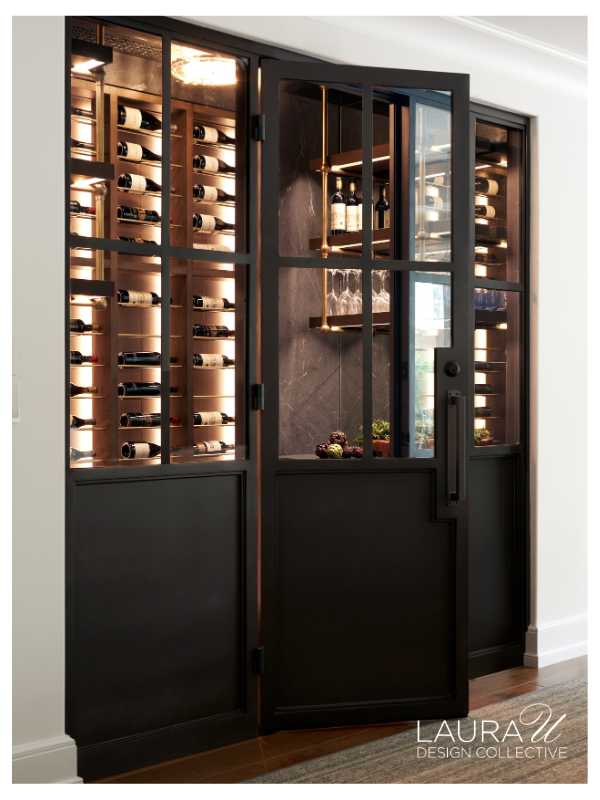
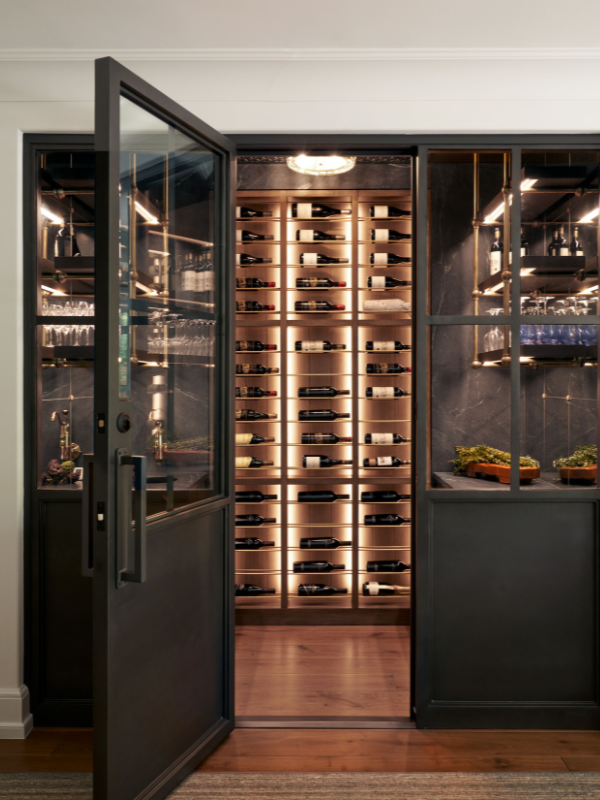
At Huntwick Forest, the homeowners did indeed want a gathering space and a controlled storage area. Our clients envisioned a multigenerational property where family gatherings could comfortably spill throughout the home across the kitchen, dining room, great room, and outdoor living spaces. Rather than treating the wine cellar as a back-of-house utility space, we integrated it directly into the entertaining areas by creating a glass-enclosed room beside the dining room. Custom steel doors provide views into the collection, while floor-to-ceiling wood and metal shelving transforms everyday storage into an architectural feature.
That approach also reflects a broader shift in wine cellar design. In Ocean Home, architect Richard Landry notes that glass wine rooms have become increasingly popular because they allow the cellar to remain visible while blending naturally into the architecture of the home. Whether you hope to age bottles for decades or simply enjoy sharing them with family and friends, defining that purpose from the get-go will ensure you use the cellar exactly as you want to.
#2 Plan for More Storage Than You Think You’ll Need
Wine collections often grow much faster than homeowners think they will, especially when they’re new collectors. A few favorite bottles can eventually evolve into a collection that spans multiple vintages, regions, and occasions. If you’re designing a custom wine cellar, think beyond the bottles you already own and consider how the collection may change over the next ten or twenty years.
In an article for Ocean Home, Victoria Abbott Riccardi quotes master sommelier Brahm Callahan, who recommends planning for more storage than you think you’ll need because collections can fill a cellar surprisingly fast. He also notes that many collectors prefer to keep valuable wines in their original wooden cases, which have very different storage dimensions than individual bottle racks can accommodate.
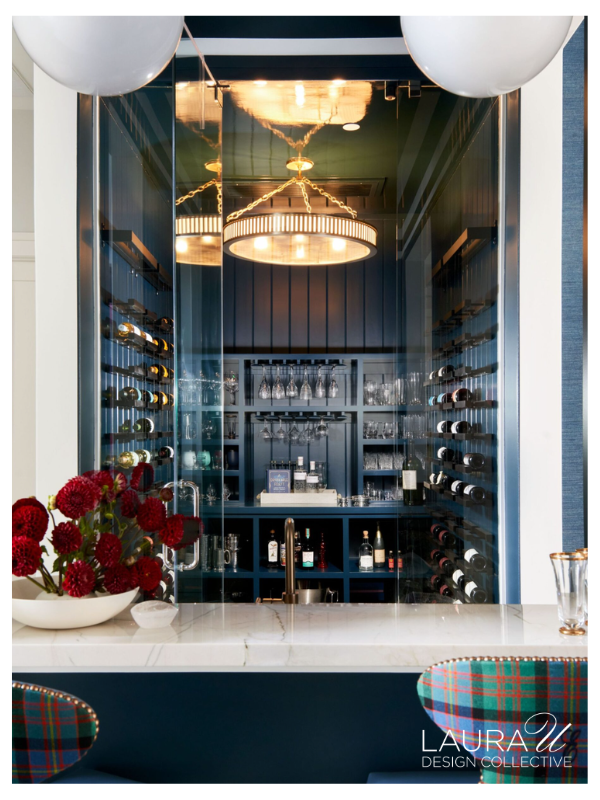
Working with a design team to create custom millwork helps future-proof your cellar. Floor-to-ceiling wine racks, open display shelving, and dedicated storage for wooden cases can all be designed around the collection rather than squeezed into off-the-shelf solutions (no pun intended). Think about how you’ll access the wine, too. If part of the collection will be stored unopened for years as the wine matures, those bottles should be placed in a different part of the cellar than bottles intended for weeknight dinners.
#3 Think About the Experience If That’s Important to You
Some homeowners want the wine cellar to be private (even under lock and key), but others want guests to see the collection (or even select a bottle for dinner). Your design team will help you think through how people will move between the kitchen, dining room, living room, bar, movie room, and outdoor spaces. Will guests enter the cellar on their own, or will the room stay locked? Do you want clear views through glass doors, or would solid walls make more sense for the collection? Door widths, thresholds, shelf heights, and clearances also affect who can use the room. If Champagne, mixers, beer, or spirits you prefer chilled will share the space, plan storage for those bottles too.
At Huntwick Forest, we placed the wine room beside the dining room, and the former back stair was repurposed to accommodate both the cellar and an elevator. The kitchen, prep kitchen, dining room, wine room, and great room are grouped within the home’s main entertaining area. A separate bar upstairs serves gatherings on the second floor, so drinks and glassware do not need to travel from one end of the house to the other. The custom steel doors define the cellar as a separate room, while glass panels keep the collection visible from the dining area. The homeowners can open the room during a gathering or lock it when the collection needs more privacy.
#4 Climate Control Should Disappear Into the Design
Wine needs stable temperature and humidity, so the room itself must function as a sealed, cooled environment. In an article for Wine Spectator, Ben Lasman compares a wine cellar to “a room-size refrigerator” that maintains constant temperature and humidity. The walls, floor, and ceiling need insulation, and the door needs a reliable seal. Moisture barriers, refrigeration equipment, electrical requirements, and service access should all be resolved before decorative materials are installed.
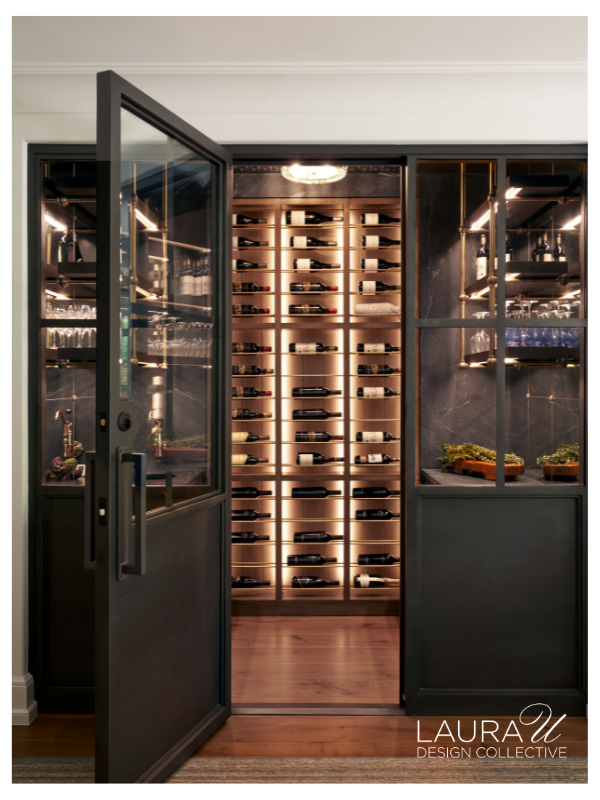
At Huntwick Forest, the entire cellar is insulated and connected to a dedicated temperature-control system. Sensors are integrated into the millwork, and concealed outlets preserve the clean shelving layout. The cooling equipment and electrical components are hidden behind the finished surfaces, so visitors first see the wood racks, metal shelving, mirror, and stone details. Our team coordinated the cooling system, sensors, and outlets with Shelton Builders and the project’s fabricators before installation.
#5 Use Lighting to Highlight the Collection and Make the Space More Usable
A wine cellar needs enough light to read labels, select bottles, clean shelves, and pour a glass without overflowing. Layered lighting can combine general illumination with focused light at the shelving and display walls. Dimmers give homeowners more control during dinner, cleaning, or reorganization. In Wine Spectator, Ben Lasman also notes that cellar lighting should emit no UV rays because UV exposure can damage wine and labels.
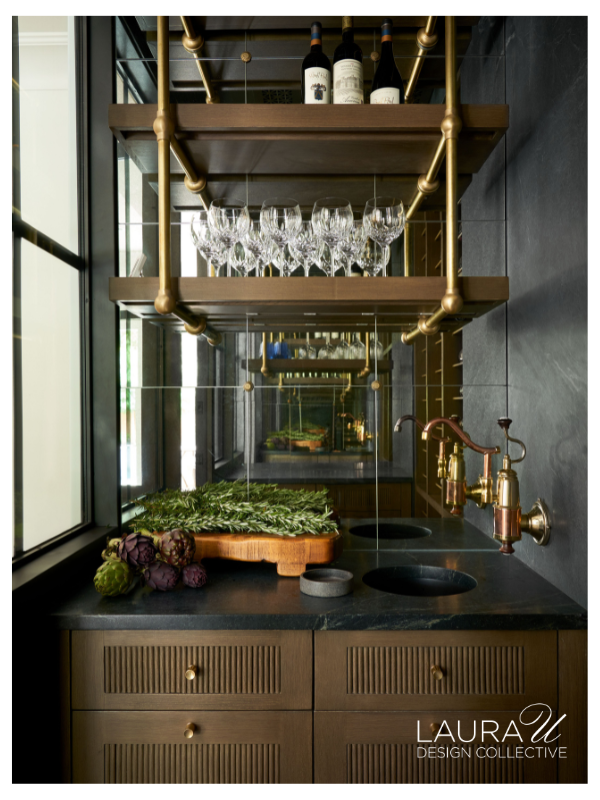
At Huntwick Forest, hidden LED tape lights trace the custom shelving and illuminate individual bottles. The light draws attention to the connection between the stone slab, wood shelves, and metal supports. It also helps the homeowners find a specific label without relying on a bright ceiling fixture. Additional room lighting brightens the entry and the floor-to-ceiling storage without washing out the darker palette. From the dining room, the illuminated collection is visible through the steel and glass doors even when the cellar is closed.
#6 Select Materials That Age Gracefully in This Type of Environment
Wine cellars have lower temperatures and controlled humidity, so materials and finishes must perform in that environment. Wood, steel, stone, glass, and plaster can all work well, but the fabricator and cooling specialist should review the finish specifications before construction. Ben Lasman writes in Wine Spectator that certain stains and finishes can release volatile organic compounds that pass through corks and damage wine. Moisture-resistant wall materials and properly installed barriers also protect the cellar from mold and mildew.
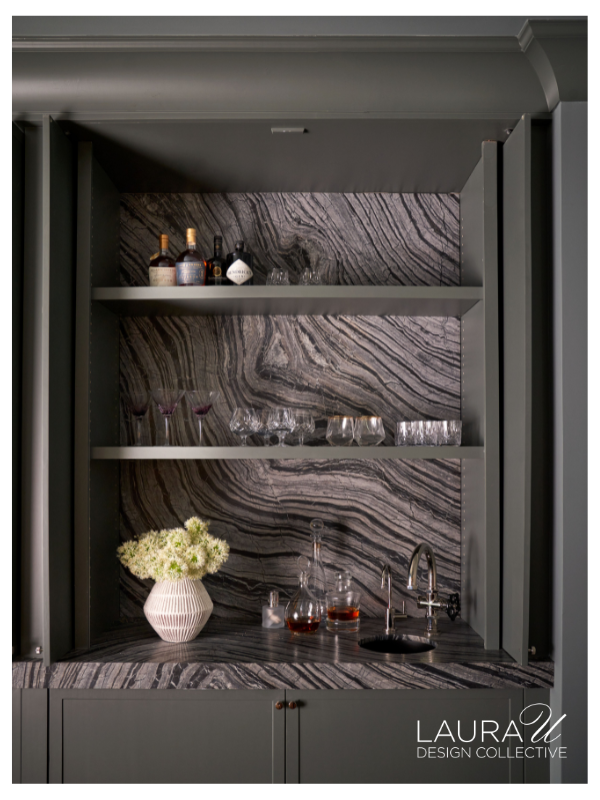
If your collection may span generations, choose materials that won’t look dated after a few years. A themed cellar can also make sense when it reflects the architecture of the house, a favorite wine region, or the family’s travel history. At Huntwick Forest, Segreto stained the wood millwork to complement the room’s dark palette. Master Craft Woodworks fabricated the wood shelving, Peck & Company produced the metal shelving, and Elegant Additions crafted the steel doors. Stone and mirrored surfaces add contrast, while the wood and metal details connect the cellar to the home’s transitional architecture.
#7 Figure Out Where Serving and Prep Pieces Will Go
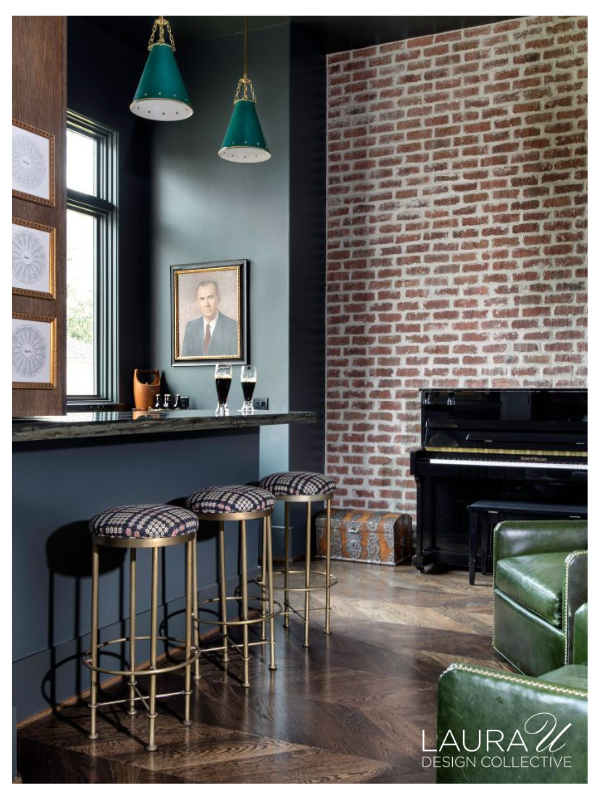
Stemware, decanters, corkscrews, serving trays, tasting notes, and opened bottles all need dedicated storage or counter space. Decide whether those pieces belong inside the cellar or in a nearby butler’s pantry, prep kitchen, or bar. A small counter inside the cellar may be enough for opening and decanting one bottle, but larger gatherings often need a sink, refrigeration, glassware storage, and room for trays. Keeping every accessory inside the cooled room can take valuable space away from the collection.
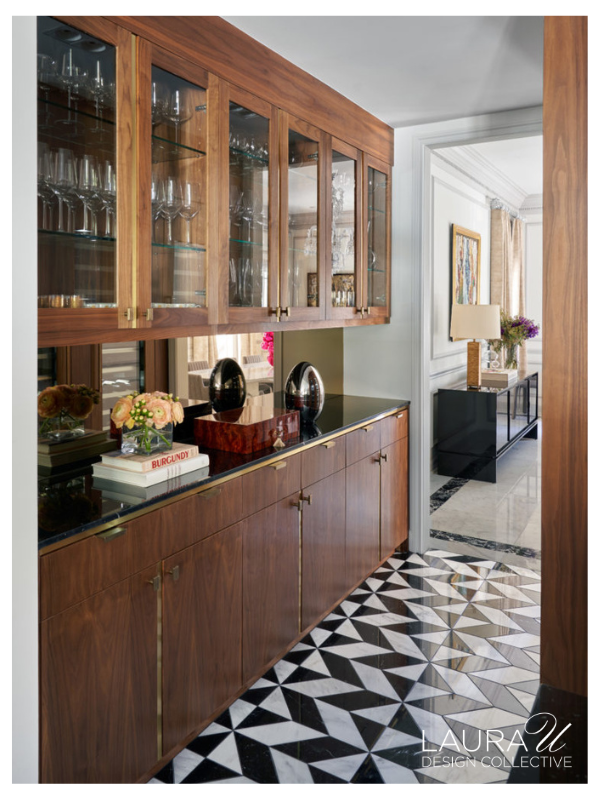
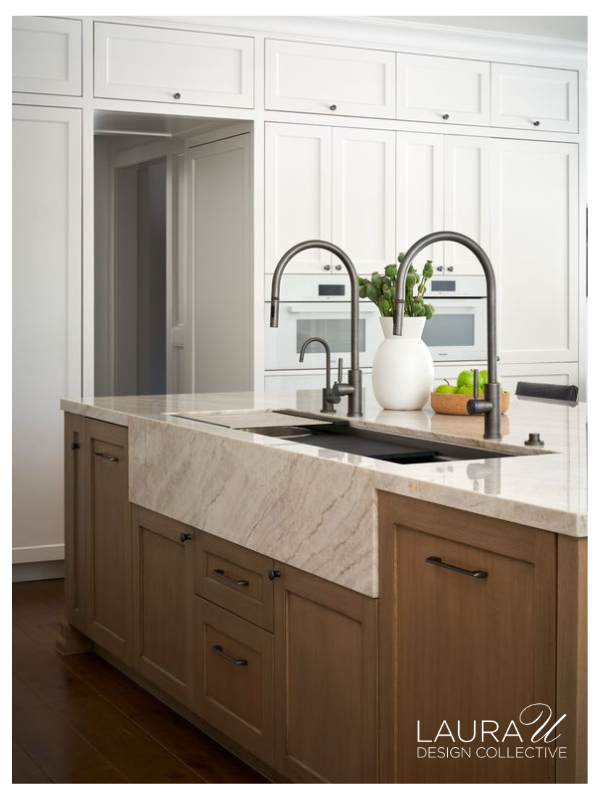
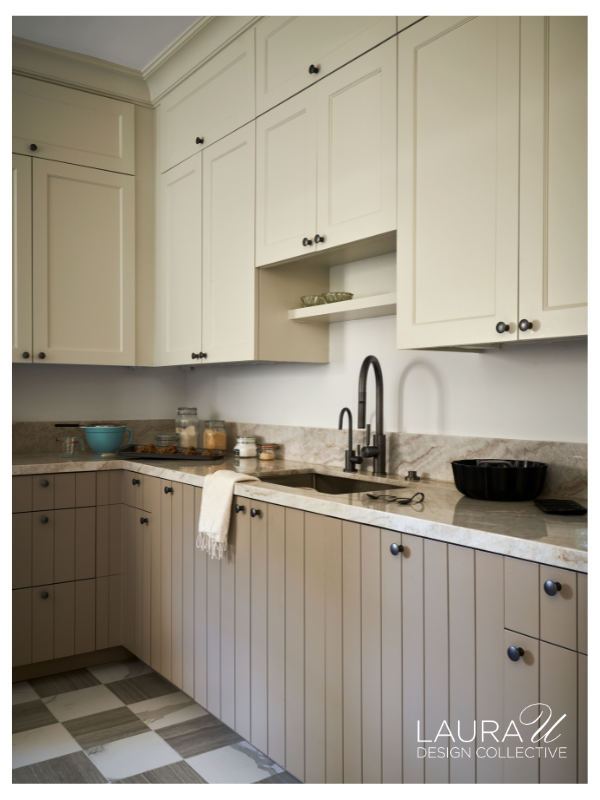
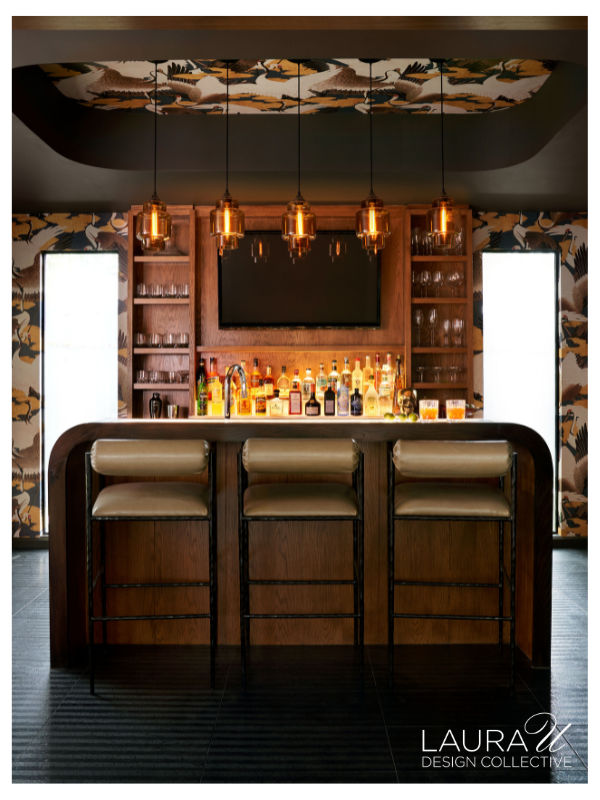
At Laura U Design Collective, we often plan wine storage alongside the rooms that support serving and cleanup. At Huntwick Forest, the prep kitchen provides counter space, a sink, an oven, and pantry storage near the main entertaining rooms. The upstairs bar includes pocket drawers and serves gatherings on the second floor. The wine cellar can focus on bottle storage and display, while the surrounding rooms house glassware, decanters, serving pieces, and other supplies. In our guide to designing the perfect home bar, we also discuss placing bars and butler’s pantries between kitchens, dining rooms, and other gathering spaces for the same reason.