


Every interior designer is different and every firm approaches the interior design process in unique ways. Some firms divide work into only a few stages, while others outline many interior design phases to guide clients through larger projects. Naming conventions vary, timelines vary even more, yet most residential work follows a recognizable progression from early ideas through project completion. As Sean Low writes in an article for Business of Home (a well-known industry publication), all projects follow some sort of “idea, design, production, and installation” sequence.
At Laura U Design Collective, our structured process has evolved through years of luxury interior design experience across renovations, new construction, and fully furnished residences. Our interior design process begins with Discovery, followed by Schematic Design, Design Development, Procurement, Implementation, Installation, and Reveal. Every project phase builds logically on the one before it.
We are a long-standing, multidisciplinary firm, so our process is a bit more comprehensive. With a robust, client-focused process, we ensure every single interior design project is completed flawlessly. To learn more about our approach, read on!
Stages of the Interior Design Process
Clients often ask how we design projects or what actually happens between the first meeting and move-in day. The answer is that we have a methodical, collaborative design process that is shaped around communication, documentation, and careful project management. The rest of this Journal post will give you a closer look at how that process begins and how it unfolds inside a full-service interior design firm. But remember, how I design projects may be quite different from how another firm does.
The Discovery Phase

Discovery is the first of seven interior design phases at our firm. Other firms may call this the initial consultation, onboarding, or programming phase. At Laura U Design Collective, we refer to it as Discovery because this stage is less about immediate design decisions and more about understanding you (the client). It’s exploratory.
Every project begins with a comprehensive discussion to identify your needs, establish project scope, and understand how you want your home to feel and function. While aesthetics certainly matter, this phase focuses first on lifestyle. How do you move throughout your home each day? Where do you gather, recharge, or entertain? What frustrations exist within your current space? Do you love to host or prefer quiet time to yourself? Are your children still living at home?
We also talk about your cosmetic goals. Do you love the historic details of your home? Is appreciating existing architectural features important to you? Which color palettes move you? Are you planning to integrate an expansive art collection? Does lots of light matter?
Discovery also establishes early expectations around timeline, communication, and key milestones. Larger projects require coordination with architects, high-end developers, and contractors from close to the start. Setting those parameters early helps the entire project move forward with clarity rather than constant adjustment later.
Clients who have not worked with an interior designer in the past might experience this phase as the first time their home has been examined through both an emotional and functional lens. Discovery allows our design team to align creative direction with real living patterns before any drawings or selections are made. By defining priorities early, we can establish a clear foundation that guides every decision moving forward.
We approach projects this way because it ensures that the finished home reflects not just beautiful design but also the way our clients truly use that home. Gathering your feedback is key to delivering on those promises.
The Schematic Design Phase

After Discovery, Schematic Design translates our early conversations with you into visual direction. Some clients expect mood boards immediately, but this phase involves quite a bit more than assembling inspiration images. The initial design concept draws from discussions about lifestyle, architectural features, and space planning decisions that we discussed during Discovery.
Our team develops detailed floor plans that explore layout options, circulation paths, and furniture placement. These drawings help clients understand how rooms will function long before material selection starts. Alongside space planning, we present mood boards, preliminary color schemes, and early material palettes that establish the tone of the home. This stage helps confirm that the design concept aligns with the client’s vision before moving deeper into detail.
“At the end of this phase, you’ll see a stunning visual concept that our team has developed specifically for your home.”
Schematic design also encourages dialogue. Clients react to scale, arrangement, and atmosphere rather than isolated products. Feedback gathered here informs concept development and prevents costly revisions later in the interior design process.
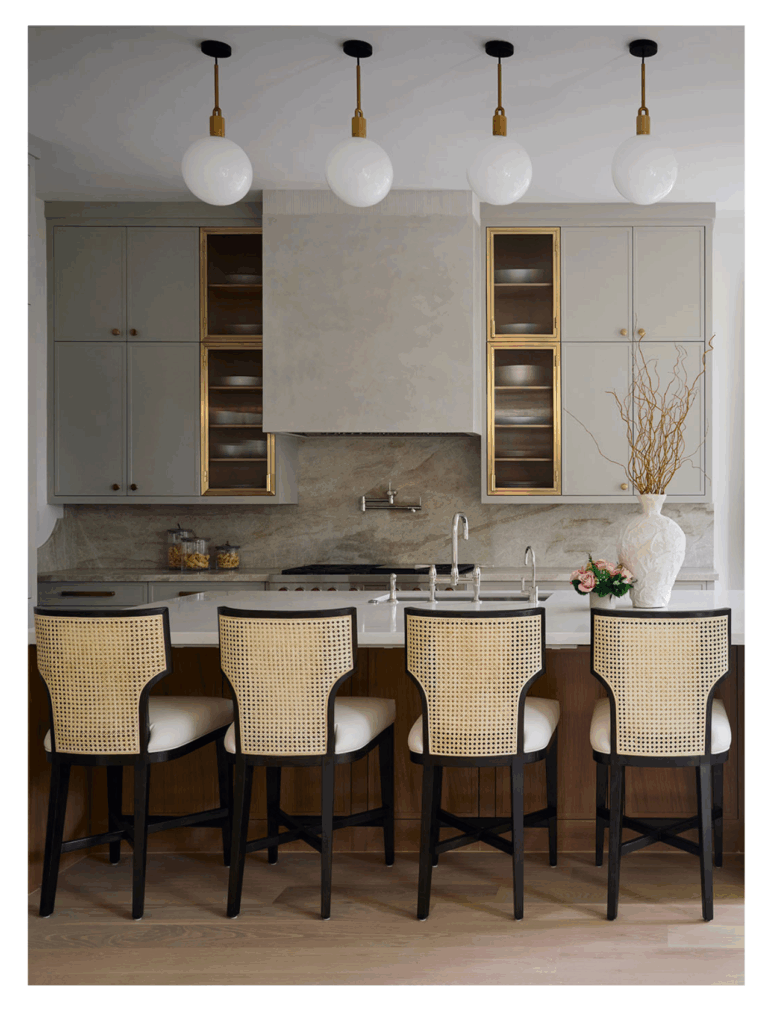

The Design Development Phase
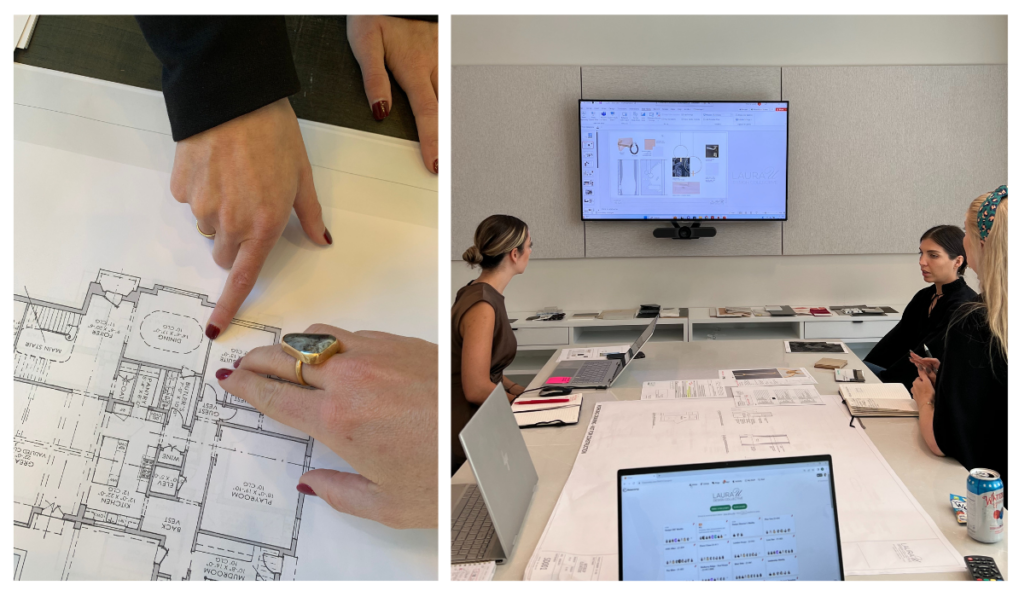
The Design Development phase expands the approved concept into detailed designs ready for execution. Sometimes clients assume the majority of creative decisions happen earlier, but in reality, this development phase requires intense collaboration and evaluation. Materials from our studio’s library are reviewed in person. Lighting fixtures are studied for proportion and output. Wall coverings, finishes, and furnishings are adjusted until they work together cohesively within the existing architectural framework.
“Your design is further developed as we collaborate with you to ensure every detail is perfect. This is a visual and tactile process, where your home’s design is expertly refined.”
During design development, the team refines every design element while continuing to gather client feedback. Detailed drawings evolve alongside material selection. Furniture dimensions are confirmed against floor plans. Custom pieces are engineered to fit the space precisely.
This phase can feel slower than expected, and that is intentional. Precision during design development prevents confusion during construction administration and procurement. By the end of this stage, the final design reflects both aesthetic goals and functional performance. Clients feeling confident because decisions are settled rather than tentative.
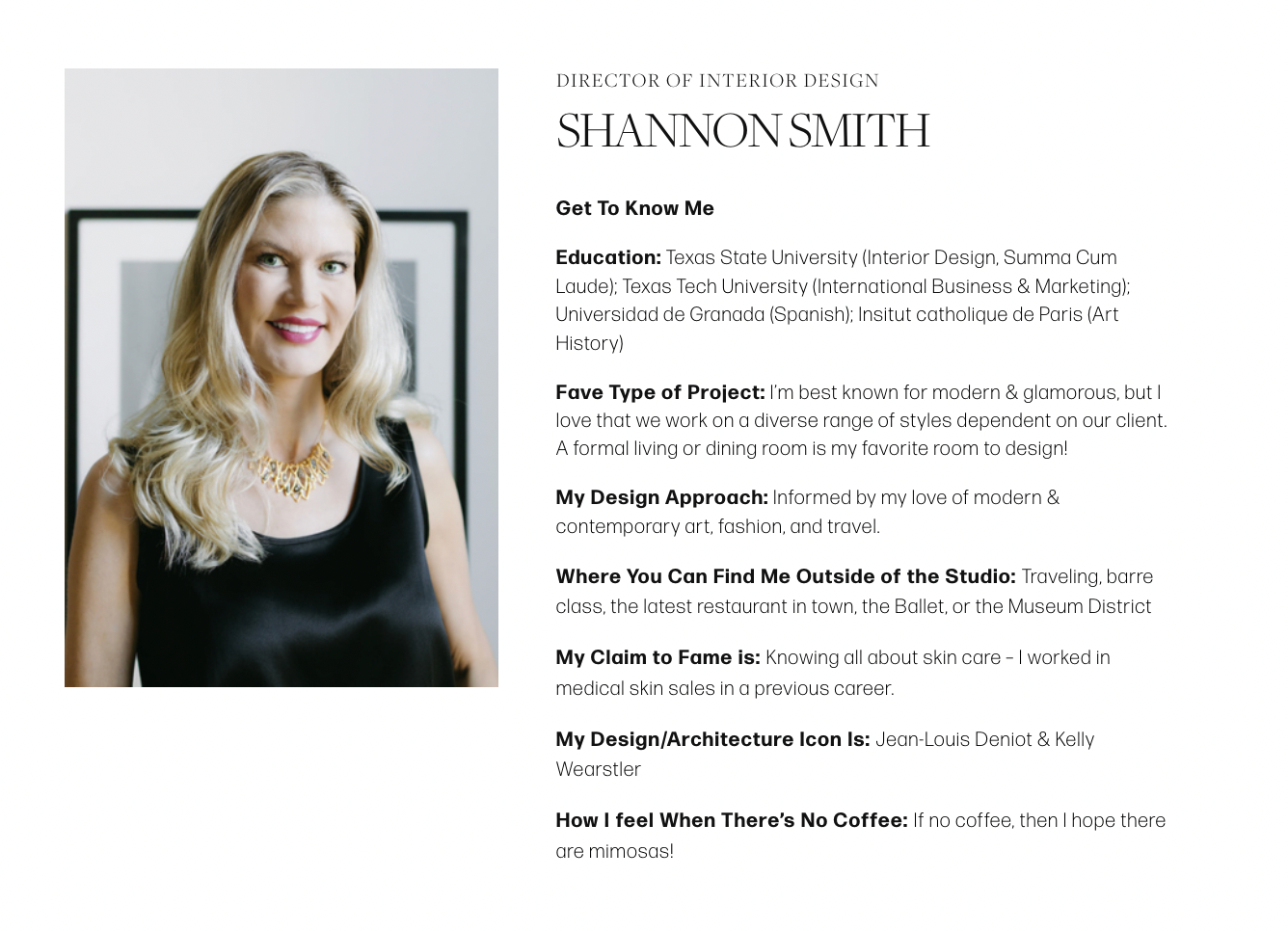
Get to Know Our Director of Interior Design
The Procurement Phase
Once approvals are complete, Procurement begins. For many clients, this is the least visible part of an interior design project, though it occupies a significant portion of the timeline. Luxury furnishings, lighting fixtures, and custom pieces often involve long production schedules and multiple vendors working simultaneously. Some top interior designers actually outsource their procurement phase, but we choose to keep it in house so that we can control the quality and timeframe of all products. This is especially important when timely substitutions are necessary (if an item has gone out of stock or production, for example).
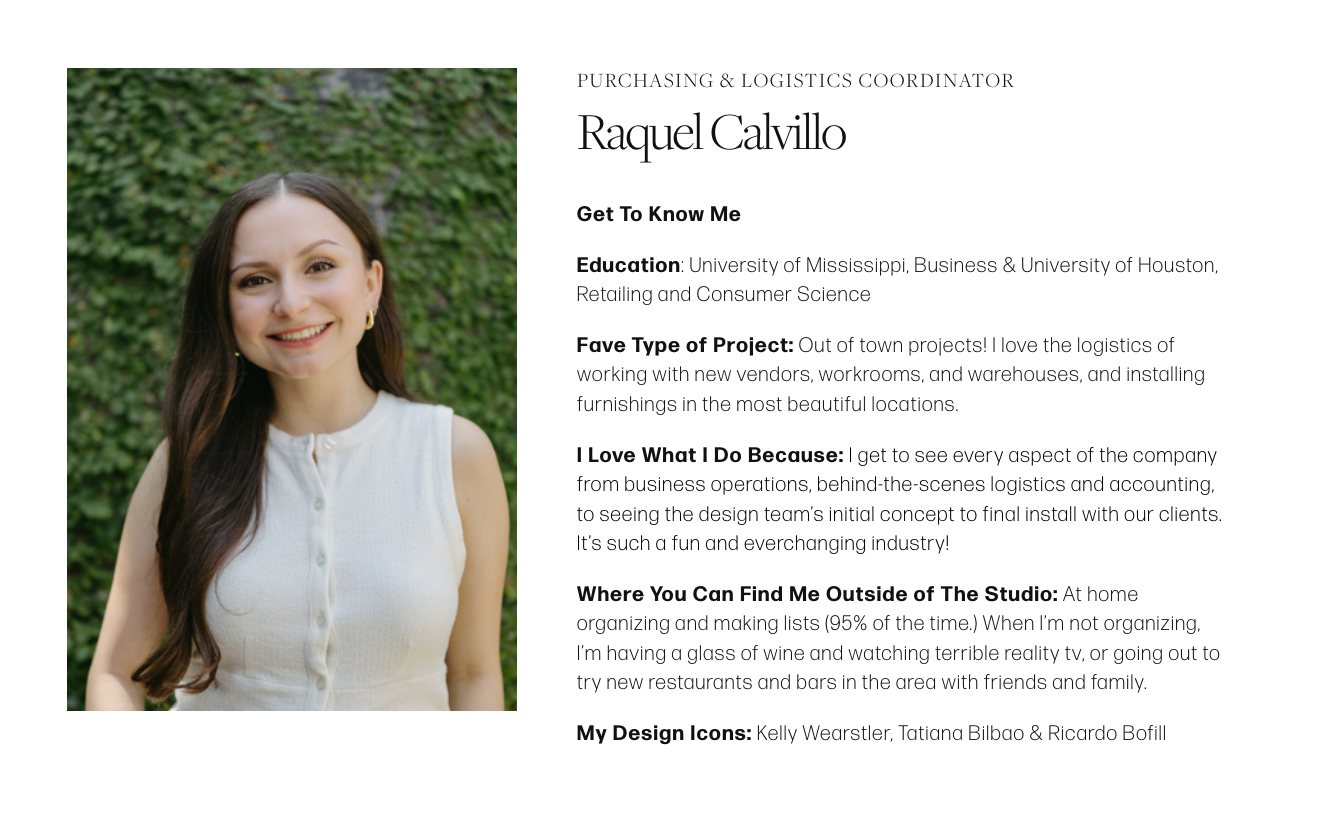
Led by purchasing and logistics coordinator Raquel Calvillo, our in-house procurement team manages ordering, expediting, and receiving for the entire project. Each item undergoes quality control inspections before installation. Damaged finishes, incorrect dimensions, or manufacturing inconsistencies are addressed early so they never reach the home. This oversight protects both schedule and investment while helping keep installation on track.
Procurement also requires extensive coordination. Warehousing, shipping logistics, and vendor communication run parallel to ongoing construction work. Clients are spared the complexity of tracking hundreds of moving parts because project management remains centralized within the firm. It is meticulous work but that work is rarely visible from the outside, which typically keeps clients calm and confident.
Get to Know Our Procurement Lead
The Implementation Phase
We are a full-service design firm, so, while custom furnishings and interior design are the bulk of what we do, we also conduct full-scale renovations. Implementation connects design decisions with the construction phase. Here, the design team produces construction documentation and detailed drawings required for contractors and consultants. Interior elevations, finish schedules, and construction drawings communicate design intent clearly so builders can execute accurately.
For new construction or major renovations, collaboration intensifies during this stage. Designers work closely with architects and contractors to review construction documentation, answer questions, and confirm material placement. Construction administration may include reviewing shop drawings, coordinating with trades, and supporting bidding conversations when requested.
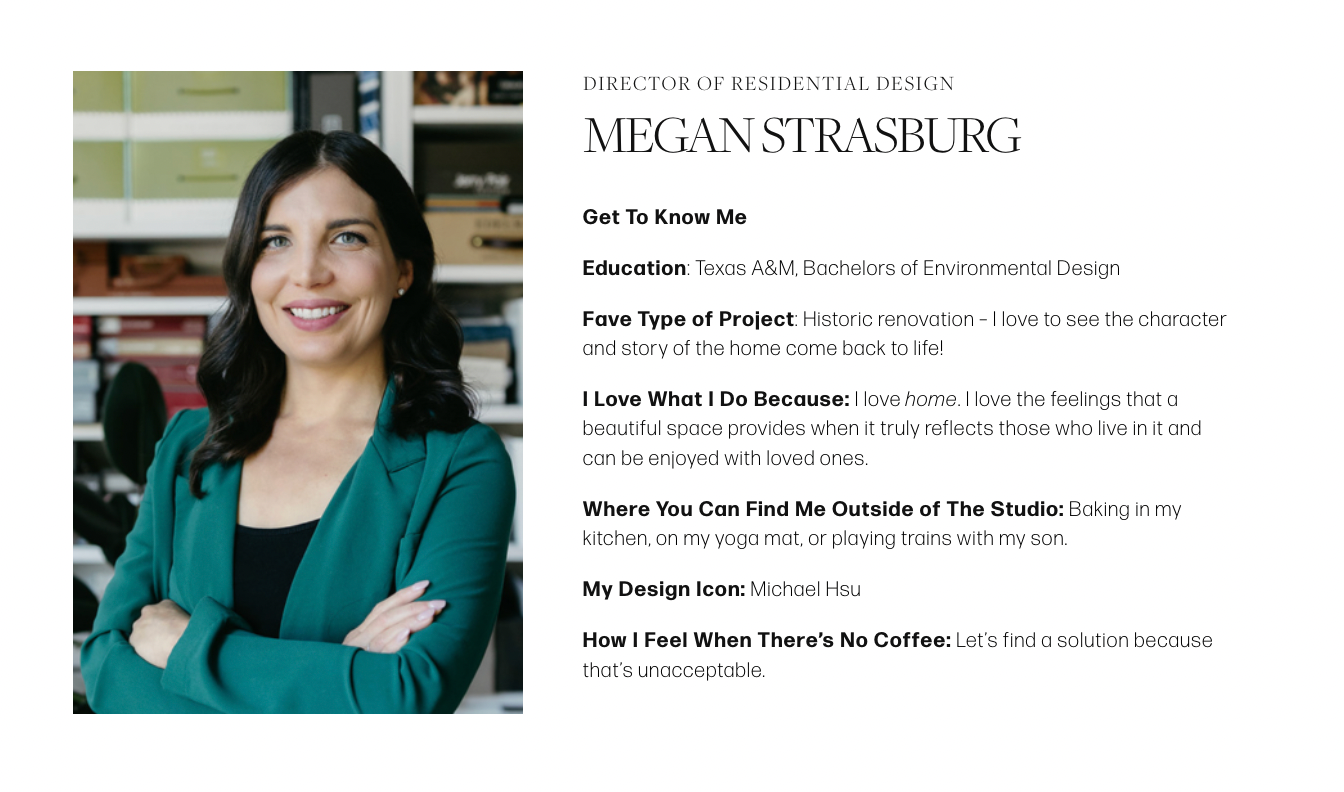
“Led by Megan Strasburg, the Residential Design team is available upon request to facilitate the bidding process with contractors and vendors.”
This phase ensures the interior design process integrates smoothly with the building timeline. Without clear documentation, even strong concepts can lose precision during execution. Implementation keeps everyone aligned around the same plan and supports steady progress toward project completion.
Get to Know Our Residential Design Director
The Installation Phase
Installation marks the transition from drawings to lived experience. By this point, furnishings have been received, inspected, and organized according to detailed placement plans developed months earlier. Installation unfolds over several days, sometimes longer for larger projects, with designers on site coordinating every step.

Furniture placement, art installation, and styling decisions happen in real time. Designers evaluate spacing, lighting conditions, and circulation while adjusting layouts as needed. Even carefully planned arrangements may require refinement once pieces occupy the actual space. Those adjustments are part of professional interior design practice and rely on preparation as much as instinct.
Installation also serves as a final round of quality control. Items are inspected again, finishes are protected, and any remaining issues are resolved before clients return. The goal is simple: a home prepared completely before move-in rather than one still awaiting corrections.
The Reveal Phase

After installation concludes, the home is prepared for its reveal. Clients typically re-enter once every detail has been finalized so that they can experience the entire project as a cohesive environment rather than a work-site in progress. It is often an emotional moment, especially after months of collaboration, and one we are always honored to share in.
At this stage, the culmination of months (or years) of collaboration, your home has been fully designed with careful attention to both aesthetic appeal and true-to-life living. The final walkthrough allows us to review functionality, answer questions, and confirm that the space meets client expectations. This stage also marks project closeout, where documentation, care instructions, and final notes are shared.
Then comes the celebration! We pop the bubbly and welcome you home.
Create a Stunning Home with Laura U Design Collective
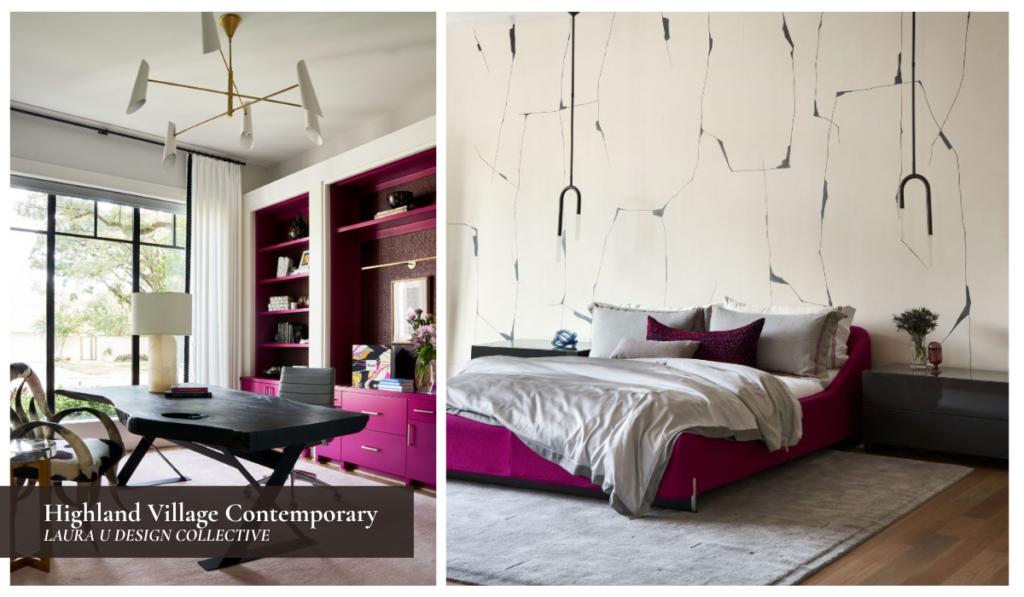
Interior design succeeds through preparation, collaboration, and follow-through. A structured process allows creativity to operate within clear boundaries, which ultimately benefits the client. Every decision, from early floor plans to final styling adjustments, contributes to a cohesive, attractive, and liveable result.
At Laura U Design Collective, the interior design process is designed to guide clients confidently from first meeting to final phase. The outcome is a home shaped around real living patterns, thoughtful design elements, and careful execution. Creating the most functional, beautiful homes requires both imagination and discipline, and our process supports both from beginning to end.
